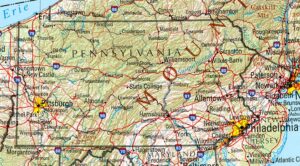
Pennsylvania is at a tipping point when it comes to how local services get paid for, and the shift is showing up in Harrisburg, Allegheny County, Philadelphia and across school districts statewide. The three big revenue streams that have funded state and local government — personal income tax, sales tax and school property tax — are no longer moving together. Over the last decade income and sales taxes have climbed at about twice the pace of property tax collections, and that split is reshaping budgets, classrooms and homeowners’ bills.
The most striking change is simple math: wages and consumer spending have outpaced the growth of property tax receipts. That gap isn’t just an accounting curiosity; it means the money available for schools and local services can arrive from different places and at different speeds. When income and sales taxes surge, state coffers swell, but property tax revenue stays relatively flat because assessments, exemptions and caps slow how quickly those numbers can move.
One reason property tax growth lags is structural. Property assessments are periodic, not continuous, and many districts still use valuation schedules that don’t reflect current market prices. Add targeted property tax relief programs and homestead exemptions, and the base that school districts rely on becomes uneven. Meanwhile, income and sales tax streams are more responsive to economic booms, so they can grow faster even when housing values are climbing.
Demographics and migration patterns are also changing the picture on the ground. Older homeowners on fixed incomes may be insulated from reassessments through relief programs, while new households in growing suburbs push up sales and income tax receipts. Urban cores and rural counties feel the effects differently; Philadelphia and Pittsburgh have different mixes of wage earners and taxable sales than smaller boroughs and townships, which complicates any one-size-fits-all response.
School funding in Pennsylvania remains a major pressure point. Many districts depend heavily on property taxes for day-to-day operations, and when that revenue stream slows relative to state-level collections, the result is a patchwork of winners and losers. Some districts benefit from increased state aid funded by rising income and sales tax receipts, but others see stagnant property tax bases that make long-term planning harder.
Policymakers in Harrisburg face a tricky trade-off: rely more on volatile income and sales taxes, or try to shore up the property tax system so it better captures current values. Each choice has consequences. A heavier tilt toward state-level taxes can centralize control and smooth funding across districts, but it can also disconnect local services from local accountability and make budgets more sensitive to economic downturns.
Reforming property taxation itself is complicated and politically sensitive. Reassessments can be fairer and more frequent, but they can also spark homeowner backlash when bills rise quickly. Caps and exemptions protect vulnerable residents, yet they can erode the tax base and shift costs elsewhere. Any reform effort must balance fairness, predictability and the need to keep services funded without sudden shocks.
Local officials are already experimenting. Some counties are updating assessment processes, others are exploring alternative revenue mixes, and education leaders are lobbying for adjustments in state aid formulas. Those changes are often incremental, because town councils and school boards are wary of sudden, high-profile tax shifts that can trigger voter anger and legal challenges.
What’s clear is that this divergence between property taxes and the other two pillars of state revenue will keep shaping debates over school budgets, municipal services and homeowner costs. Whether Pennsylvania moves toward more centralized funding, a reworked property tax regime, or a hybrid approach, the uneven growth of these three revenue sources is forcing a rethink about who pays for what and how predictable local finances can be. Expect the conversation to touch classrooms in small towns and city halls in Harrisburg as elected officials, school leaders and residents grapple with the next chapter of public finance in Pennsylvania.