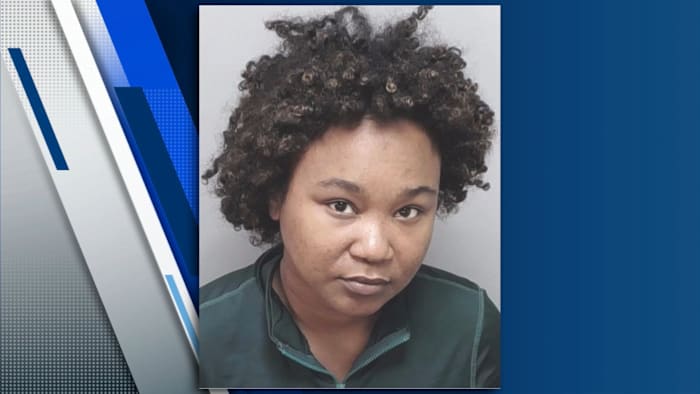
Casandra Monette Pearson, 29, was a Bexar County jail inmate who fell ill and later died after being taken to a hospital, according to the Bexar County Sheriff’s Office and responding agencies in San Antonio and Castle Hills. She was found breathing but unresponsive in her cell, received immediate on-site care from University Health staff, and was then transported as her condition worsened. Officials say the situation appears to be a medical episode, and multiple reviews and investigations have been opened to examine what happened. The Castle Hills Police Department and the Texas Commission on Jail Standards have been notified, and BCSO’s Internal Affairs Unit is conducting a concurrent administrative review.
Prison staff discovered Pearson in her cell showing signs of distress and immediately called for medical help. On-site University Health personnel began life-saving measures right away while jail staff coordinated with external emergency services. San Antonio fire crews and EMS were dispatched to the jail to provide additional care and assistance, bringing in advanced life support resources that weren’t available inside the facility. Despite those efforts, her condition deteriorated en route to the hospital.
Authorities say Pearson was pronounced dead at the hospital at approximately 6:36 p.m. on Sunday, a time stamp officials used to mark the end of emergency medical efforts. That pronouncement followed a period where medical teams tried to stabilize her and emergency responders worked under pressure to move her quickly. The Bexar County Sheriff’s Office released an initial statement indicating the death “does appear to be a medical episode, and it appears all policies and procedures were complied with at this time.” That line is the most direct public reply so far from the sheriff’s office about the circumstances.
The Castle Hills Police Department is leading the independent criminal investigation required under the Sandra Bland Act, a law that mandates outside review when someone dies in custody. This step means local law enforcement outside the jail will collect evidence, interview witnesses, and compile a report meant to ensure transparency. At the same time, the Texas Commission on Jail Standards has been notified, which begins a regulatory oversight channel to confirm the jail’s compliance with state rules. Those parallel processes reflect the multiple layers of accountability that apply in in-custody deaths.
BCSO’s Internal Affairs Unit has also opened a separate administrative review that will look at the internal handling of the incident from the sheriff’s office perspective. That inquiry typically focuses on staff actions, training records, timelines of response, and whether agency protocols were followed. Internal reviews are separate from criminal investigations to avoid overlap and preserve the integrity of evidence for both administrative and criminal findings. Family members and the public will often watch both tracks closely for answers.
Medical personnel who first responded inside the jail and those who later took over care at the hospital are central to the timeline that officials will reconstruct. University Health clinicians attempted resuscitation efforts inside the facility before EMS moved Pearson to the hospital, where she was later pronounced dead. Exact medical findings, such as a cause of death or autopsy details, have not been released publicly, as such results normally require formal certification and sometimes a coroner’s investigation. For now, officials describe the event as a suspected medical episode pending further medical documentation.
The sheriff’s office has emphasized that, based on the information released immediately after the incident, protocols appear to have been followed. That statement does not close further review; rather, it signals an initial assessment while investigators gather more evidence. Families, advocates, and oversight bodies commonly seek more detailed timelines and body-worn camera footage in these cases, but release of such materials depends on investigative and legal considerations. As those materials are reviewed, they may become part of the administrative record or the criminal case file.
In situations like this, notification of the Texas Commission on Jail Standards and the use of the Sandra Bland Act process are meant to create layers of independent scrutiny. Those agencies bring regulatory and investigatory resources that supplement the sheriff’s office work and the separate criminal probe handled by Castle Hills Police Department. With multiple teams involved, officials will compile reports that could lead to further administrative actions or criminal referrals if evidence suggests wrongdoing. For now, reviews remain ongoing and officials say they will provide updates as investigations proceed.