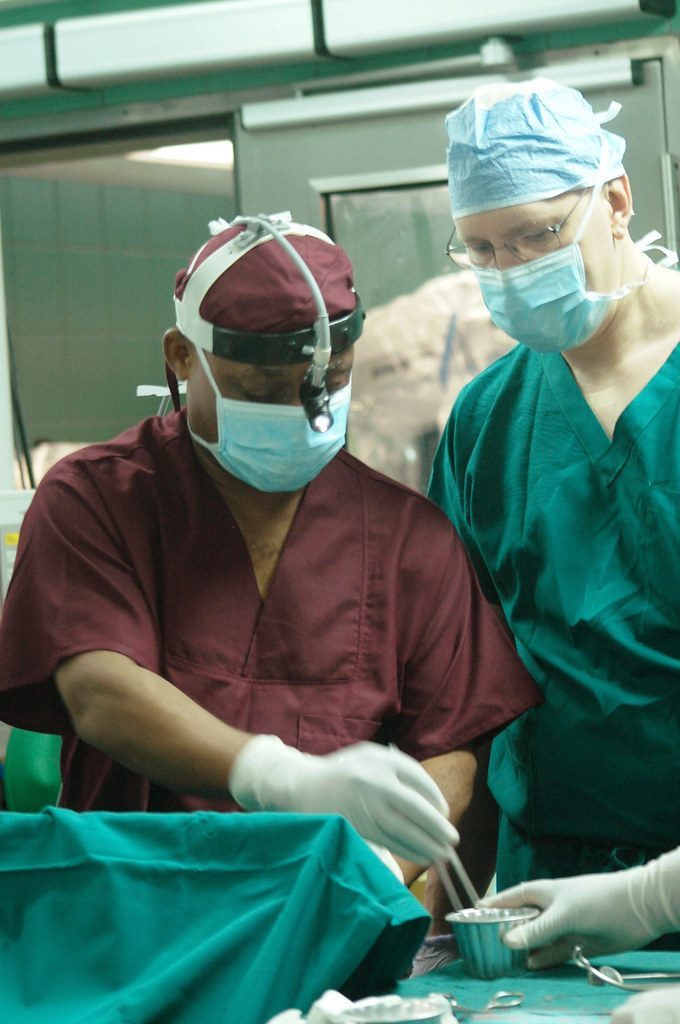
COLUMBUS, Ohio — A new study from The Ohio State University shows that Ohio residents with intellectual or developmental disabilities encounter substantial barriers in the kidney transplant process. Researchers Brittany Hand and Austin Schenk found that patients with disabilities are far less likely to be evaluated for a transplant and, among those evaluated, about 40% less likely to ultimately receive a kidney.
Key findings
Hand and Schenk examined transplant records and discovered two critical drop‑off points. First, patients with disabilities are evaluated at a markedly lower rate than other patients. Second, even when they make it past the evaluation stage, they receive a transplant at a significantly reduced rate—nearly four‑tenths lower than peers without disabilities.
Why the gap persists
“That tells us that at a couple of different points in this transplant care pipeline, these patients are falling through the cracks,” Hand said. The researchers note that Ohio, along with 39 other states, has statutes prohibiting disability‑based discrimination in organ transplantation. However, the study found no evidence that these laws have eliminated the disparity.
Schenk, an associate professor of surgery and transplant surgeon, explained that the transplant pathway is “extensive and complicated, involving multiple steps before a patient can even be placed on a waiting list.” This complexity can mask discriminatory practices, making them hard to detect and document.
Calls for greater transparency
Both investigators argue that stronger oversight, clearer data collection, and increased transparency are essential to pinpoint where patients with disabilities are being lost. “That will really help us to be able to target those specific points and make sure that all patients are getting an equal chance,” Hand said.
Advocates weigh in
Disability advocates welcomed the study, saying it underscores long‑standing concerns about equal access to lifesaving care. Gary Tonks of the Arc of Ohio compared the issue to discrimination based on religion or race, stating, “It’s no different than if we didn’t provide a heart transplant because of the religion you had or the color of your skin; it’s the same issue for us. The diagnosis I have, the label I have, shouldn’t really matter when it comes to medical procedures.”
What’s next?
The researchers suggest that better tracking of each step in the transplant process could provide a clearer picture of where disparities arise. They hope their findings will prompt lawmakers and health officials to examine whether existing protections need strengthening and to develop targeted solutions that ensure patients with disabilities receive the same opportunity for lifesaving treatment as any other Ohio resident.
As Ohio continues to grapple with health‑care equity, this study adds to a broader national conversation about how organ‑allocation systems evaluate and prioritize patients, and whether current policies truly deliver equal chances for all.
Original reporting: WOWO News/Talk (Fort Wayne) — read the source article.