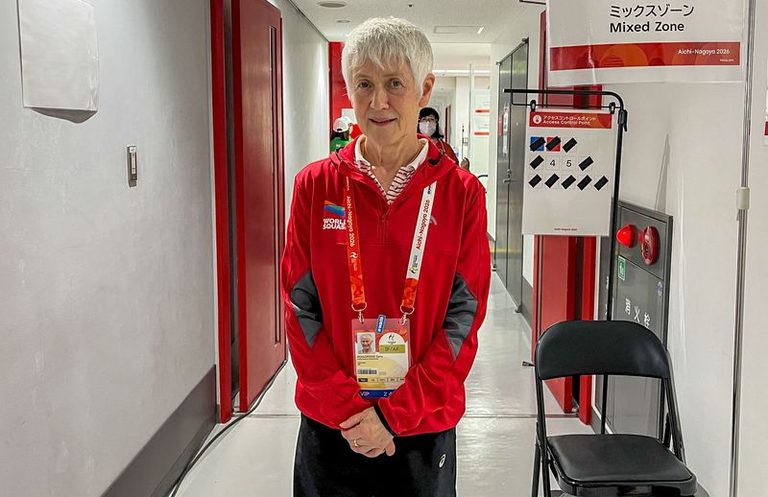
At the Aichi‑Nagoya Asian Games, World Squash President Zena Wooldridge warned that the sport’s coveted spot at the Brisbane 2032 Olympics cannot be taken for granted. While squash earned its debut at the 2028 Los Angeles Games, Wooldridge stressed that the upcoming Australian edition will face tighter budgets and fewer venues, demanding a flexible, collaborative approach.
Adapting to Modern Olympic Realities
“The realities of organising a modern Olympics are very different these days,” Wooldridge told Reuters. “Big ambitions and big aspirations, but actually smaller budgets and, in Brisbane’s case, fewer venues than LA has got.” Rather than imposing rigid specifications, World Squash is offering a lean model that works with local organisers to address challenges and fit within existing infrastructure.
Portability and Cost‑Effective Courts
Wooldridge highlighted the sport’s inherent portability. “We are a bit like a snail, we bring our own home with us. We’re small and compact. We can deliver a major event on a single court, and we can share the venue,” she explained. The organization points to Chinese manufacturers now producing glass courts at less than half the cost of traditional European models, allowing temporary courts to be erected and dismantled without leaving costly “white‑elephant” facilities.
Global Growth Supports the Olympic Case
World Squash is also banking on its expanding footprint. Women’s squash, described as “a fantastic product,” ranks among the top 15 globally, as do the men’s rankings. The sport’s popularity is surging in the world’s two most populous nations. In India, government backing helped junior champion Anahat Singh capture an Asian Games silver medal, while China is emerging as both a host and manufacturing hub. Chengdu will host the World Junior Championships next year in a newly built 21‑court facility, and China stepped in to stage the Asian Junior Championships on short notice.
Strategic Collaboration with Brisbane
Wooldridge said World Squash’s strategy is to ask the Brisbane Organising Committee, “What’s your strategy? What are your challenges? And we’ll work with you to address those challenges,” rather than demanding a fixed set of specifications. This cooperative stance aims to ease financial pressure on the host city while showcasing squash’s ability to integrate into multi‑use venues.
Looking Ahead
While the sport’s Olympic future remains uncertain, Wooldridge remains optimistic. “It’s been a long journey, and we have to be patient. We don’t know whether we will be in there or not,” she said, adding that the sport’s long‑standing proximity to the Olympic programme makes its inclusion all the more valuable. With a focus on sustainability, cost‑effectiveness, and global growth, World Squash hopes to secure its place at Brisbane 2032 and continue building on the momentum from Los Angeles 2028.
Original reporting: Appleton, WI News Feed (HLL/CB) — read the source article.