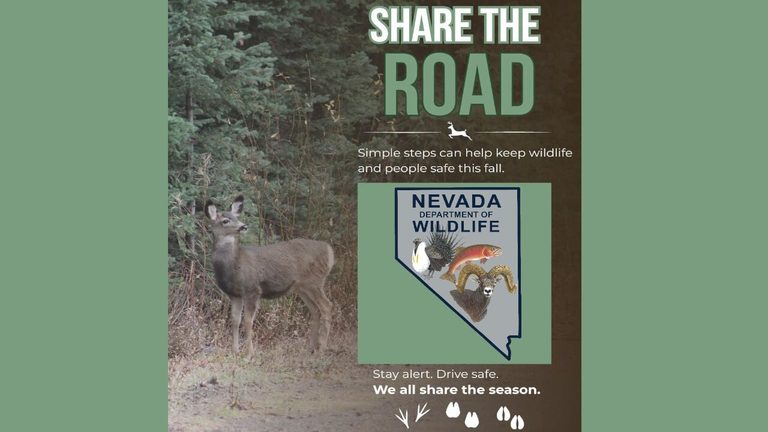
Fall in Nevada brings more than cooler evenings and changing leaves; it also signals a surge in wildlife movement that can affect drivers on the state’s highways and backroads. The Nevada Department of Wildlife (NDOW) reminds motorists that deer, elk and black bears are especially active during the season, and that heightened vigilance can protect both people and animals.
Why wildlife is on the move
According to NDOW, the transition from summer to winter prompts many species to travel between seasonal habitats. Deer and elk often shift to lower‑elevation feeding grounds, and they tend to be most active during the low‑light periods of dawn and dusk. Shorter daylight hours mean more drivers are on the road at the same times the animals are on the move.
In areas of Nevada where black bears reside, the fall marks the start of “hyperphagia,” a period when bears eat heavily to build fat reserves for the winter months. This increased foraging can bring bears into developed areas, including neighborhoods and road corridors, as they search for food sources such as berries, nuts and human‑provided attractants.
Safety tips from NDOW
NDOW’s safety reminder is straightforward:
- Slow down, especially at dawn and dusk. Reduced speeds give drivers more time to react if an animal steps onto the road.
- Scan the roadside for movement and eye‑shine. Many animals’ eyes reflect headlights, providing an early warning.
- If you see a deer or elk, look for others nearby. These species travel in groups, and spotting one often means more are close by.
- Brake safely and maintain control. If an animal enters the lane, apply the brakes gently and avoid swerving, which can cause loss of control or a collision with other vehicles.
By following these steps, drivers can help keep both themselves and Nevada’s wildlife safe throughout the autumn months.
What to do if you encounter a bear
While bear sightings near roadways are less common than deer or elk, they do occur in regions such as Elko County, Eureka County and parts of the Sierra Nevada foothills. If a bear appears on or near the road, drivers should remain calm, keep a safe distance and avoid sudden maneuvers. Giving the animal space reduces the chance of a dangerous encounter.
Community impact
Safe driving during wildlife season benefits the entire community. Fewer collisions mean lower repair costs, fewer injuries and less disruption to traffic flow. Moreover, protecting wildlife aligns with Nevada’s tradition of stewardship over its natural resources, a value shared by families, outdoor enthusiasts and faith‑based groups throughout the state.
NDOW encourages anyone who witnesses a wildlife‑related traffic incident to report it to local law enforcement. Accurate reporting helps the department track movement patterns and improve future safety messaging.
As the leaves turn and temperatures drop, Nevada’s roads will see more animal activity. By staying alert, slowing down and respecting the habits of deer, elk and bears, drivers can enjoy a safer autumn season for all Nevadans.
Original reporting: 2news.com — read the source article.