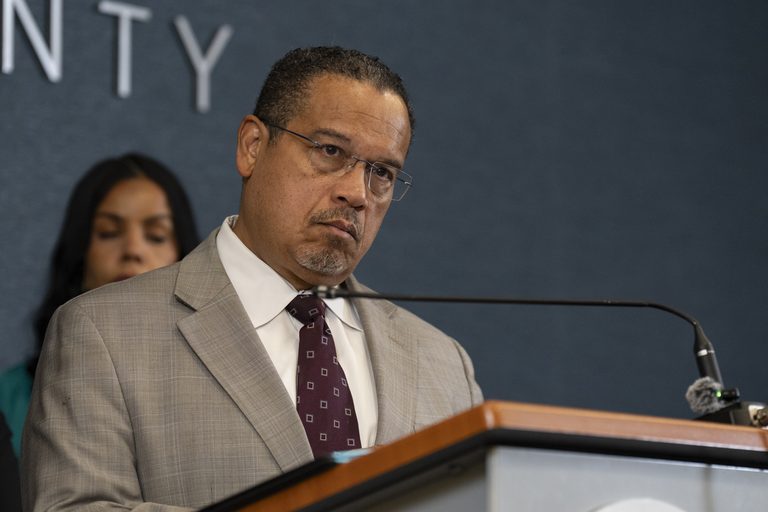
In a decisive step to protect taxpayer dollars, Minnesota Attorney General Keith Ellison filed a settlement Thursday that requires Partners in Nutrition (PIN) to pay $18.5 million to the state and cease operations. The agreement resolves a civil lawsuit alleging PIN violated the Minnesota False Claims Act by channeling federal child‑nutrition money to fraudulent food sites.
Allegations and scope of the fraud
The lawsuit claims PIN diverted roughly $54 million in federal funds to organizations such as Mind Foundry Foundation, Multiple Community Services, Gedo Community Services and the Minnesota Somali Community. Those sites were run by individuals who have already pleaded guilty to fraud.
According to the complaint, PIN acted as a sponsor, collecting meal counts and rosters from nonprofit food sites, submitting the data to the Minnesota Department of Education, and then forwarding the reimbursement claims to the federal government. After receiving the funds, PIN distributed the money to the sites while retaining a portion for administrative costs.
How the scheme operated
Investigators say the fraud was straightforward: some organizations reported serving far more meals than they actually did, while others claimed meals that were never prepared. In one striking example, a Mind Foundry site claimed to serve 4,500 children daily in Owatonna—more than the entire public‑school enrollment in the area.
Internal emails allegedly show PIN executive director Kara Lomen directing site operators to submit inflated counts. One email to Abdiaziz Farah, co‑owner of Shakopee‑based Empire Cuisine and Market, instructed him to “transition Samaha meal counts and count them under Empire,” effectively double‑counting meals for reimbursement.
Attorney General’s response
Ellison called the alleged scheme “despicable,” emphasizing that claiming millions in taxpayer‑funded reimbursements for meals never delivered undermines public trust. He noted that while the settlement resolves the civil claim against PIN, it does not shield the organization’s officers or employees from personal civil liability.
“This fight is not over,” Ellison said. “My office continues to actively investigate individuals and entities affiliated with PIN for violations of the Minnesota False Claims Act.”
Broader context of food‑aid fraud investigations
The PIN case follows a year‑long investigation that produced more than one million pages of documents. It also runs parallel to a larger federal food‑aid fraud case centered on a rival nonprofit, Feeding Our Future, which has been ongoing since 2022. To date, that federal case has resulted in 80 defendants charged, 68 convictions or guilty pleas, and 27 sentences.
Although no PIN employee has been criminally charged in the federal case, several food‑site operators who received diverted funds have been convicted of fraud.
What the settlement means for Minnesota families
The $18.5 million payment will be returned to the state, helping to recoup funds that were intended to feed Minnesota’s children during the pandemic. While the settlement does not address all civil liabilities, it sends a clear message that fraudulent exploitation of federal nutrition programs will be pursued aggressively.
Ellison’s office plans to continue monitoring the remaining food‑site operators and to ensure that future federal nutrition dollars are administered with proper oversight and transparency.
Original reporting: Sahan Journal — read the source article.