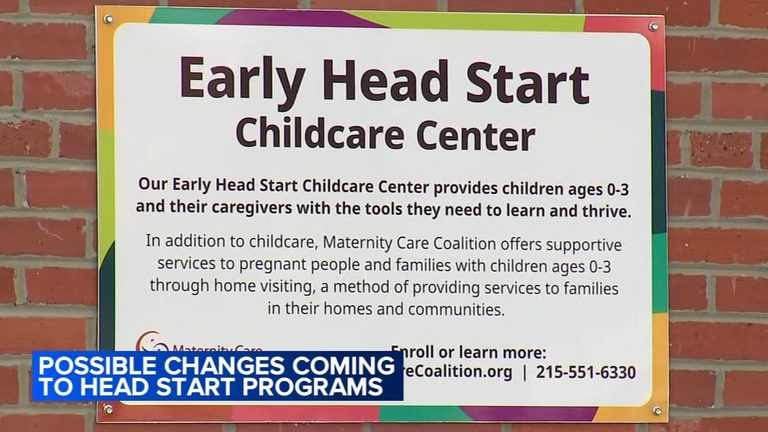
The Trump administration has unveiled a sweeping proposal to roll back regulations governing the nation’s Head Start early‑education program. While the Department of Health and Human Services says the changes would cut administrative burdens and save roughly $2.2 billion, local providers in Philadelphia say the reforms could jeopardize the quality of care for children and create financial strain for nonprofit operators.
Key elements of the proposal
The draft rule would modify several core requirements:
- Classroom staffing ratios could shift from the current 1‑teacher‑to‑4‑children model to a less restrictive standard.
- Instruction would move toward English‑only curricula, limiting bilingual or dual‑language options.
- Services for children with disabilities could be reduced, and health‑and‑wellness screenings would be scaled back.
- The frequency of background checks on staff would be eliminated, ending the current five‑year renewal process.
HHS frames these adjustments as a way to reduce paperwork for providers and redirect resources toward direct services.
Philadelphia providers voice worries
“In many of our classrooms we’re able to have 1 teacher for 4 children,” said Sara Jann Heinze, senior director of policy and advocacy for a local Head Start network. “If the student‑to‑teacher ratio were to change, there would be more children in the program. It would impact the way the teachers are able to teach.”
Heinze and other local leaders fear that larger class sizes could dilute instructional quality and limit individualized attention, especially for children who need extra support.
Impact on nonprofit providers
The Maternity Care Coalition, which runs three Head Start sites serving about 300 families in South Philadelphia, warned that the rule could create a financial gap. “We would work to fill the gap,” said Jessica Smith, Early Head Start senior director for the coalition. “It would cost the nonprofit more money because we would have to supplement in order to make up for the money that we’re losing.”
Smith’s comments highlight a broader concern that reduced federal oversight might shift costs onto local nonprofits, forcing them to seek additional fundraising or cut services.
Public comment period
The proposal is currently open for a 60‑day public comment period that ends on October 6. Stakeholders, including parents, educators and advocacy groups, are encouraged to submit feedback through Regulations.gov.
While the administration emphasizes fiscal responsibility and reduced red tape, critics argue that the changes could undermine the program’s mission to provide high‑quality early education, especially for low‑income families who rely on Head Start as a critical safety net.
What’s at stake
Head Start serves millions of children nationwide, offering preschool education, health screenings, nutrition and family‑engagement services. Any shift in staffing, language instruction or disability support could have lasting effects on child development outcomes.
Philadelphia families and providers will be watching the comment period closely, weighing the promised savings against potential risks to the children they serve.
Original reporting: Allentown News – 6abc Philadelphia — read the source article.