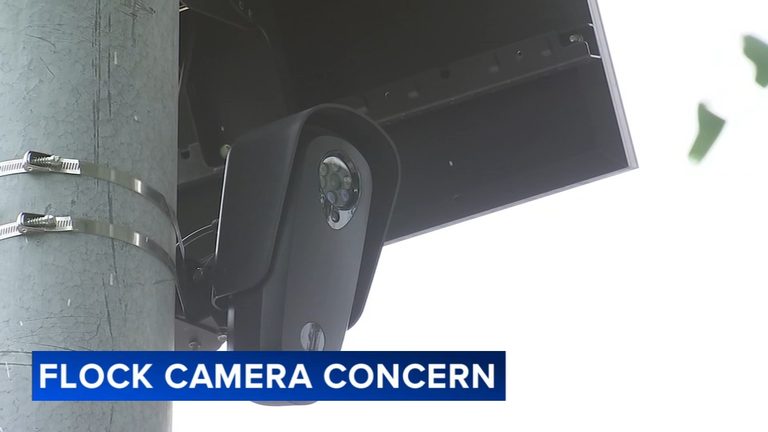
Philadelphia City Council voted Thursday to adopt a resolution that urges Pennsylvania’s governor and legislature to either ban or impose strong regulations on automatic license plate readers (ALPRs), commonly known as Flock cameras. Councilmember Rue Landau introduced the measure after hearing public testimony about the rapid, largely unregulated spread of the technology.
Key provisions of the resolution
The resolution highlights several privacy and constitutional worries. It notes that ALPRs differ from traditional traffic enforcement cameras—such as speed, red‑light or toll cameras—because they continuously record the license plates of every vehicle that passes within their field of view, storing the data for later use. Councilmember Landau warned that this constant tracking creates a “significant invasion of privacy” and could feed mass‑surveillance databases.
To address these concerns, the resolution calls for a set of guardrails that are already being adopted in other municipalities. These include requiring a warrant before law‑enforcement can use ALPR data to track a specific individual or vehicle, imposing short data‑retention periods, limiting how the information can be shared or disclosed, and demanding transparency about the technology’s deployment.
State response
Governor Josh Shapiro’s office issued a statement through spokesperson Rosie Lapowsky, saying the governor shares the concerns raised by Philadelphia officials. The statement clarified that Commonwealth agencies—including the Pennsylvania State Police and the Department of Transportation—do not own Flock cameras and will not allow them on state property. Lapowsky added that several legislative proposals are under consideration that would either ban or strictly regulate the technology, and the administration is working with the General Assembly on a bill that could reach the governor’s desk.
Industry perspective
Flock, the company that manufactures the cameras, responded that its technology is a valuable public‑safety tool that helps solve serious crimes and locate missing persons. A company spokesperson noted that the Philadelphia Police Department is not a customer and emphasized support for “thoughtful, bipartisan legislation” that balances privacy safeguards with law‑enforcement needs.
Local impact and next steps
The resolution does not have the force of law, but it signals Philadelphia’s intent to lead on privacy protections and to pressure state officials to act. If successful, the proposed safeguards could affect how law‑enforcement agencies across Pennsylvania deploy ALPRs, potentially limiting data collection and requiring stricter oversight.
Councilmember Landau also accused Flock of misleading customers about the ability of federal agencies such as ICE to access the national search network, a claim that underscores broader concerns about federal overreach and the protection of Pennsylvanians’ privacy rights.
Philadelphia’s move joins a growing trend of municipalities nationwide reevaluating the balance between technology‑enabled policing and individual liberties. As the debate continues, the city council plans to monitor state legislative developments and may revisit the issue with additional measures if necessary.
Original reporting: Allentown News – 6abc Philadelphia — read the source article.