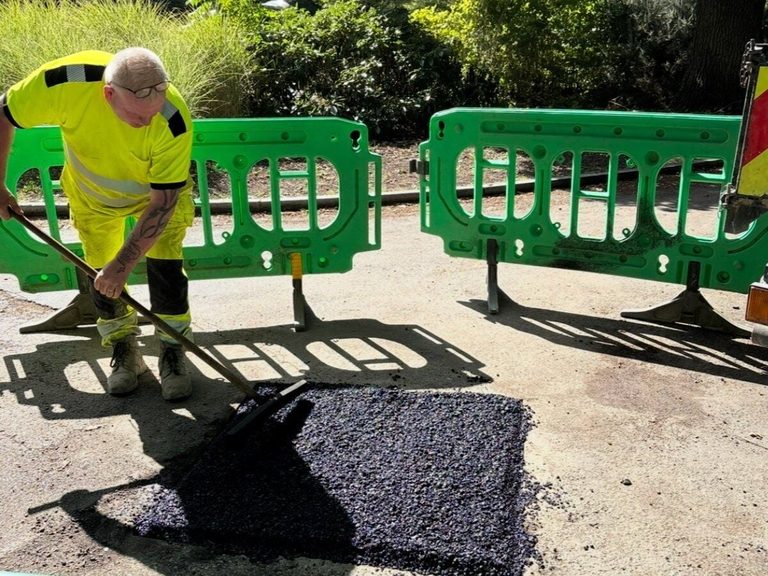
In a practical step toward a cleaner environment and safer public spaces, Maidstone Borough Council (MBC) is testing a new pothole‑repair material made from recycled textiles. Five potholes in the council‑owned areas of Mote Park and Penenden Heath have been filled with the low‑carbon mix, which combines shredded clothing with a specialist surfacing layer.
Why recycled clothing?
The United Kingdom discards roughly 1.45 million metric tons of used textiles each year, according to the Waste and Resources Action Programme. Almost half of that ends up in general waste, contributing to landfill and greenhouse‑gas emissions. By converting the waste into a road‑repair product, MBC hopes to turn a growing environmental problem into a useful solution for the community.
Council leaders back the pilot
Councillor Rachel Rodwell explained, “While second‑hand selling sites have helped extend the life of many clothes, fast fashion means huge amounts of textiles are still being thrown away every year. This pilot is about turning that problem into an opportunity. By testing whether waste textiles can be repurposed as part of a pothole repair material, we’re exploring a practical solution that could reduce waste, cut carbon emissions and support the circular economy.”
Her colleague, Councillor Clive English, added, “Our parks and open spaces welcome millions of visits every year, so keeping them safe, accessible and well‑maintained is a top priority. This trial gives us the chance to test a potentially game‑changing product in real‑world conditions and see how it performs under everyday use and the challenges our British weather can throw at it.”
Partnership with RECOOL and Loughman
The trial is being carried out in partnership with sustainable‑materials firm RECOOL and local contractor Loughman. Elise Daly of RECOOL said, “We’ve been delighted to work with Maidstone Borough Council and Loughman on this trial. RECOOL transforms mixed textile waste into practical, lower‑carbon alternatives to traditional plastic products, creating new uses for materials that might otherwise go to waste. We hope innovations such as this can help councils and businesses reduce waste, lower carbon emissions and deliver value for local communities.”
Monitoring and future plans
The initial repairs have been completed, and the council will monitor the patches over the coming months to assess durability under normal park use and weather conditions. If the material proves effective, MBC intends to share its findings with other authorities, potentially expanding the approach to public highways managed by Kent County Council.
Community impact
For families who frequent Mote Park and Penenden Heath, the project promises smoother walking paths and safer play areas without the environmental cost of traditional asphalt or concrete repairs. It also demonstrates how local government can lead by example, encouraging residents to think creatively about waste reduction and stewardship of God‑given resources.
As the trial progresses, Maidstone residents will have the opportunity to see first‑hand how recycled clothing can be turned into a practical, low‑impact solution for everyday infrastructure needs, reinforcing the council’s commitment to responsible stewardship and community well‑being.
Original reporting: KTBS 3 (Shreveport) — read the source article.