What exactly is Goosepond, and is it worth going out of your way for?
That’s a fair question, especially if you’re coming from out of town and your Fargo itinerary is already packed. The short answer: yes, but it depends on what you’re after. Goosepond Sanctuary is a city-owned natural area on Fargo’s south side, tucked between residential streets and the broader Red River floodplain. It’s free to visit, open year-round, and on the right day in spring or fall, it’s one of the better birding spots in the entire region.
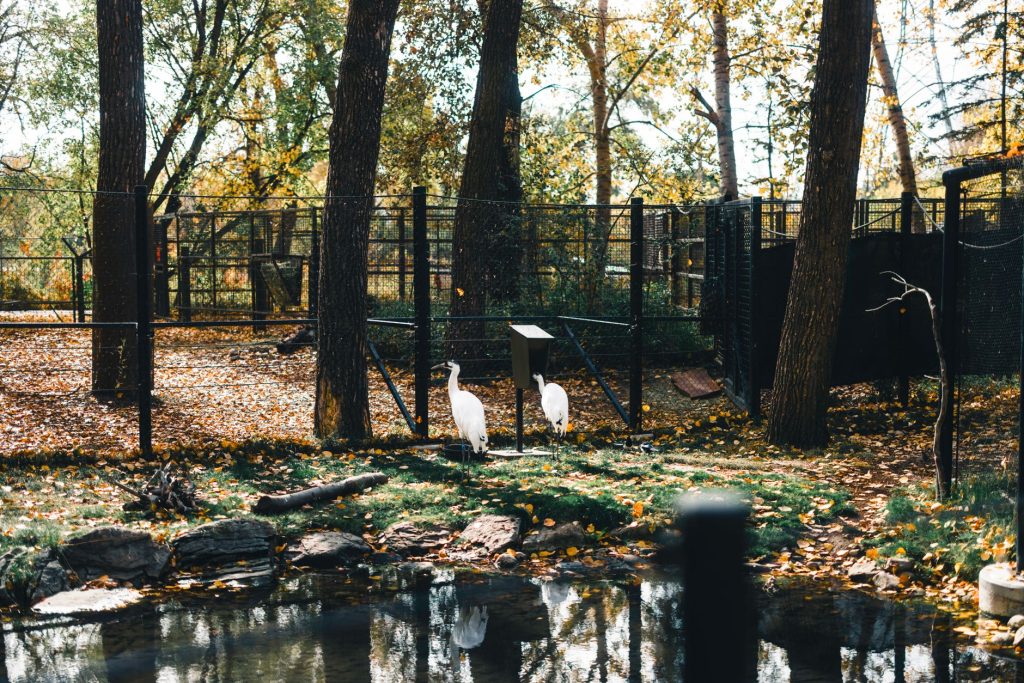
The site sits off 52nd Avenue South and covers a modest stretch of wetland, restored prairie, and a shallow pond that migrating waterfowl seem to find reliably. Egrets, herons, sandpipers, pelicans — American white pelicans especially, which still catch people off guard the first time they see them this far inland. The sanctuary draws serious birders with long lenses and field notebooks, but also families who just want to get outside and see something moving in the water.
There’s a gravel path that loops around the main pond, maybe a quarter mile total, with a small wooden observation deck near the water’s edge. The deck is modest — a few boards, a railing, nothing fancy — but the sight lines are good. Bring binoculars if you have them. The birds here aren’t particularly skittish, but they’re not performing for you either. You’ll need to stand still for a minute or two before anything interesting happens.
What makes Goosepond worth talking about isn’t any single dramatic feature. It’s more that it exists at all — a functional wetland habitat holding its own against the suburban development pushing in around it. The Fargo Park District has done maintenance work here over the years to keep the pond level stable and control invasive vegetation, and the results show. The water is clear enough that you can watch fish break the surface on calm mornings.
Spring migration runs roughly April through May, and that’s when the variety peaks. Shorebird season — mid-July through September — brings smaller species that most casual visitors overlook entirely but that dedicated birders drive considerable distances to see. Winter is quieter, but the open water sometimes attracts late-season ducks longer than you’d expect.
There’s no entrance fee, no parking structure, just a small gravel pull-off along the road. You might have the place entirely to yourself on a Tuesday afternoon, or you might find three people with spotting scopes already set up on the deck. Either way, it takes maybe forty minutes to walk the loop, check the pond, and head back. It’s not a destination that fills a whole morning. It’s the kind of place that fits before something else, or after.
If you’re the sort of person who downloads the Merlin app and then forgets to use it, Goosepond will remind you why you downloaded it. And if you’re not a birder at all, it’s still a quiet piece of green space on the south side of a city that doesn’t have as many of those as it probably should.