Las Vegas – A three‑hour deliberation ended Monday with a Nevada jury convicting Duane “Keffe D” Davis of first‑degree murder with a deadly weapon for his role in the 1996 fatal shooting of hip‑hop icon Tupac Shakur. The verdict marks the first time anyone has been found legally responsible for the murder that shocked the nation more than three decades ago.
Charges and Trial Details
The prosecution charged Davis with murder and a gang‑related enhancement, alleging he acted as the “shot caller” who organized the attack on Shakur near the Las Vegas Strip. While prosecutors did not claim Davis personally fired the fatal shots, they argued his coordination of the crime satisfied the statutory elements of first‑degree murder with a deadly weapon.
The jury, composed of twelve jurors, returned a guilty verdict after roughly three hours of discussion. Davis was sentenced to appear before the court on Oct. 13, 2026, where he faces a possible life‑sentence.
Prosecution’s Argument
During closing arguments, prosecutors highlighted Davis’s memoir, which recounts the shooting, as an implicit admission of his involvement. They portrayed Davis and his associates as having “gone hunting” for Shakur, framing the murder as a gang‑motivated act.
Defense Response
Davis’s defense team dismissed the memoir as fictional, emphasizing the lack of direct evidence linking Davis to the crime. They also pointed to missing investigative records and the absence of eyewitness testimony as critical gaps in the prosecution’s case.
Aftermath and Appeals
Following the verdict, Davis indicated he will appeal the conviction and requested the return of his personal belongings, including his phone and laptop, from the court. Chief Deputy District Attorney Binu Palal announced that prosecutors would not pursue the gang‑enhancement charge due to “witness logistics,” noting that a former officer who could have testified was unavailable.
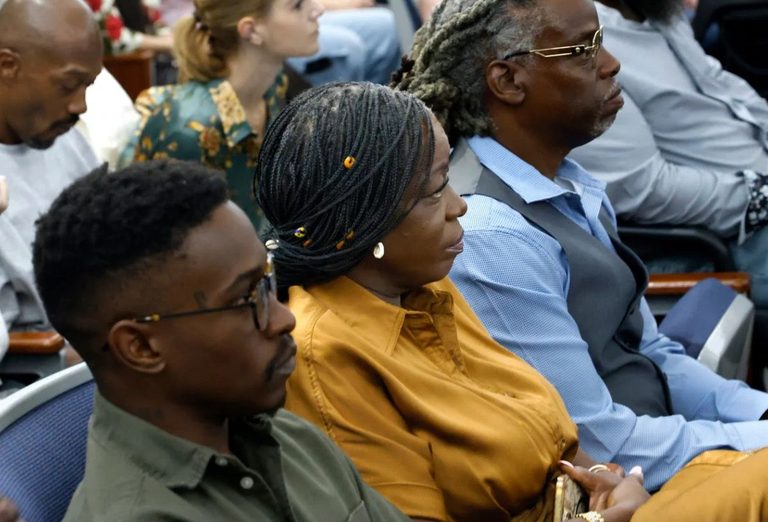
Family members of Shakur were visibly emotional as the verdict was read. Sekyiwa “Set” Shakur, the rapper’s sister, was seen quietly weeping in the courtroom.
Significance
The conviction brings a measure of closure to a case that has lingered in the public consciousness for over thirty years. It also underscores the challenges of prosecuting cold‑case homicides, especially those involving high‑profile cultural figures.
While the legal process continues with an upcoming sentencing hearing and potential appeals, the verdict represents a landmark moment in the long‑standing investigation into Tupac Shakur’s death.
Original reporting: KTVZ (Central Oregon) — read the source article.