There is a moment, right after the opener finishes and the lights dim low inside the main concert hall at Thalia Hall, when you look up at the ornate plaster ceiling, the horseshoe balconies draped in warm amber light, the hand-painted details that have been watching over this room since 1892, and you think: I cannot believe this place exists, and I cannot believe more people are not talking about it.
Thalia Hall sits on the corner of 18th Street and Allport in Pilsen, one of Chicago’s most vibrant and culturally layered neighborhoods. The building was constructed by John Dusek, a Czech immigrant who envisioned a community hall worthy of the working-class European families who had made this part of the city their home. He modeled it loosely after the Prague Opera House, and more than 130 years later, that ambition still shows in every cornice, every carved detail, every improbable square foot of preserved grandeur.
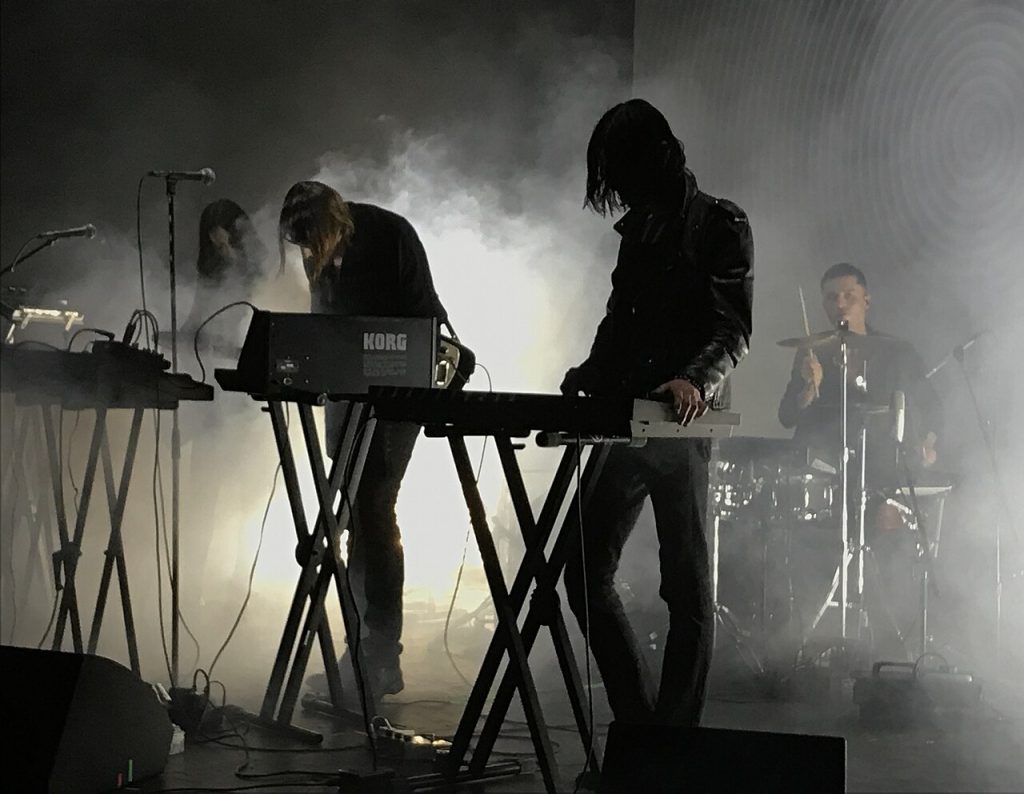
The main concert room holds somewhere around 1,400 people depending on configuration, but it never feels cavernous. The acoustics are exceptional — voices carry cleanly, bass frequencies feel physical without being punishing, and the room has a warmth that larger venues simply cannot manufacture. Whether you are there for an indie rock headliner, a touring jazz ensemble, or a DJ night that runs until 2 a.m., the sound and the setting conspire to make everything feel a little more significant than it might elsewhere.
Arrive early, because Thalia Hall is also a bar and restaurant, and the ground-floor Tack Room is exactly the kind of low-lit, brick-walled neighborhood bar you will want to settle into before the show. The beer selection leans toward craft and local, the cocktail list is thoughtful without being precious, and the food — think elevated bar fare with a European-inflected sensibility — is genuinely worth ordering. If you can snag a table in the main dining room before the doors open upstairs, do it.
What makes Thalia Hall genuinely special is that it has managed to serve multiple Chicago communities at once without losing its identity to any single one. On a given weekend you might see a sold-out show by a nationally touring artist, a neighborhood birthday party in a rented side room, and a couple of locals nursing drinks at the bar who have been coming here since long before the venue became a fixture on national touring schedules. That mix feels rare and real.
Pilsen itself is worth the trip on its own terms. Walk a few blocks in either direction and you will find murals painted directly onto building facades, excellent Mexican bakeries, galleries run by artists who actually live nearby, and a street energy that feels genuinely collaborative rather than performed. But make Thalia Hall your anchor for the evening, and you will leave understanding something true about Chicago: this city keeps its most extraordinary things tucked inside buildings that look like they belong to the neighborhood, because they do.
Check the calendar at thaliahallchicago.com before you visit — shows sell out regularly, and the advance tickets are worth the planning. General admission standing shows fill the floor, but the balcony offers a different experience entirely: a seat, a sightline, and a view of the room that makes you feel like you are watching Chicago history and Chicago right now, happening in exactly the same place.