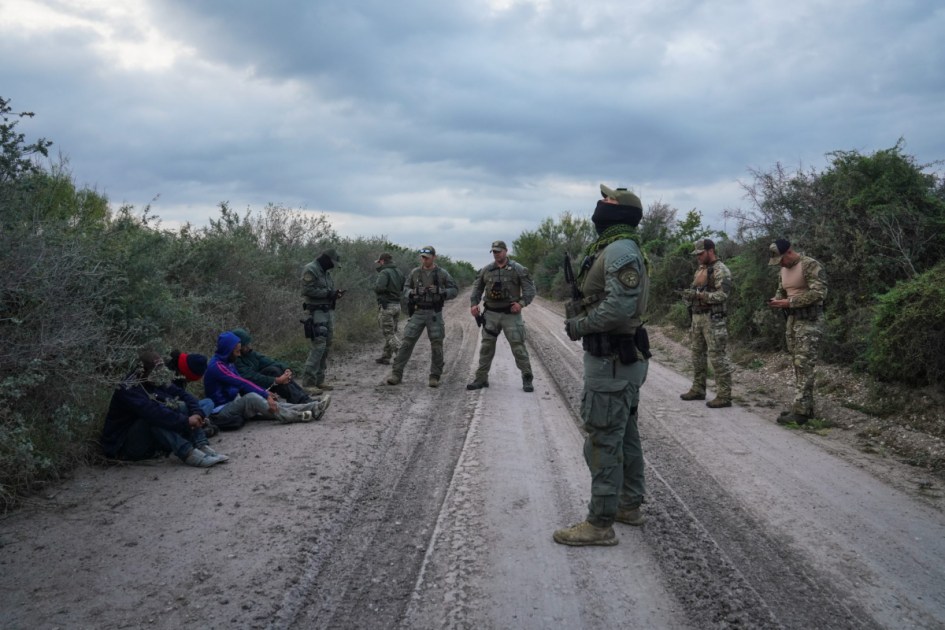
A U.S. judge on Thursday granted a preliminary injunction against sections of Senate Bill 4, which would have allowed local police to arrest suspected illegal border crossers. The move paused an aggressive state-level effort designed to give local law enforcement more authority at the border and elsewhere, reopening the debate over who actually enforces immigration laws and how communities stay secure.
Senate Bill 4 was born out of frustration with a broken federal response to the border. Lawmakers who backed the bill argued that towns and counties should not be helpless while federal agencies fall short, and they pushed measures to let local officers detain people suspected of crossing illegally until federal authorities could take custody. Supporters said this was about protecting neighborhoods and restoring order, not about turning every patrol into an immigration checkpoint.
The injunction lands like a gut punch for those who wanted a tougher approach. From a Republican perspective, this ruling looks like another example of judges stepping into policy decisions that voters and their elected representatives wanted to settle. Conservatives see it as the judiciary undercutting the will of lawmakers who responded to real-world conditions at the border.
Critics of the bill warned about civil liberties and federal preemption, and the judge’s order reflected those concerns. Legal opponents argued that immigration enforcement is a federal responsibility and that local officers lack training and the legal framework to handle complex immigration matters safely. Those are legitimate points, but they don’t erase the frustration communities feel when illegal crossings strain local resources and public safety.
For many Republicans, the central question is simple: when Washington won’t do its job, who will keep people safe? That’s the practical logic behind SB 4. Local sheriffs and police are on the front lines; they see the consequences of a porous border in rising drug flows, human-smuggling operations, and added pressure on emergency services. The bill was an attempt to give those officials tools to respond faster and more effectively.
The injunction creates a strategic challenge for conservative lawmakers who want results. Some will push to sharpen the bill’s language so it survives legal scrutiny, focusing on training, clear custody-transfer protocols, and explicit cooperation with federal agencies. Others will press for federal action—either stronger enforcement or legislative changes in Congress—to relieve pressure on local authorities and avoid legal entanglements that invite court challenges.
There’s also a political angle the GOP can’t ignore. Voters in border and interior communities alike want secure borders and predictable enforcement. When courts block state measures aimed at addressing those concerns, it can fuel anger and political momentum for tougher stances at the ballot box. Republicans can use that energy to push for both smarter state laws and a renewed Washington commitment to border security.
Policy detail matters if the effort is to succeed. Any revised approach should include clear lines of authority, mandatory training for local officers, safeguards for civil rights, and immediate federal pickup requirements so local jurisdictions aren’t left holding the bag. Those changes would address the jury’s key worries while preserving the bill’s basic goal: giving local communities some practical tools when federal systems fail.
Beyond legal fixes, Republicans should keep the spotlight on the underlying problem: a border system that is overwhelmed. The focus needs to stay on stopping illegal crossings, dismantling smuggling networks, and making sure immigration policy serves national interests. Effective border control requires layered solutions—better federal enforcement, targeted state measures, and cooperation between agencies at every level.
The injunction is not the end of the conversation. It’s a wake-up call that lawmakers must craft smarter, legally defensible policies that deliver security without overstepping constitutional bounds. Conservatives who care about law and order should channel their frustration into better legislation, more precise rules for local-federal handoffs, and public pressure on Washington to fulfill its primary duty: secure the border and protect American communities.