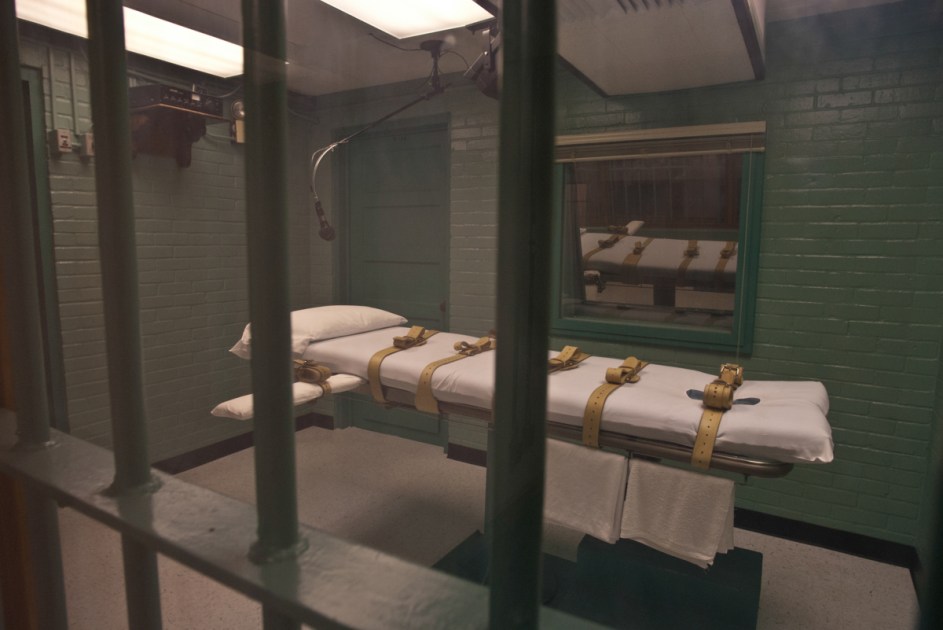
Edward Busby was executed by lethal injection Thursday in Texas, a case that highlights the state’s continued role at the forefront of capital punishment in America. The execution came after years of appeals and legal wrangling, and it landed squarely in public view as supporters of crime victims and advocates of strict law enforcement watched closely. This article looks at the execution, the process that led to it, and why Texas remains the state that carries out more death sentences than any other.
The state of Texas moved forward with the sentence after courts cleared the way, and officials said the process followed established legal steps to its conclusion. Lethal injection was the method used, administered under the supervision of state corrections personnel who said the procedure met protocol. Families of victims and law enforcement officials voiced relief that the final legal hurdle had been crossed, framing the outcome as accountability for a violent crime.
For many Texans and national conservatives, the Busby execution underscores a basic principle: certain crimes warrant the most serious penalties, and the state has a duty to deliver those penalties when due process has been satisfied. That view stresses law and order and the protection of potential future victims, favoring firm consequences over prolonged uncertainty. The argument is simple and direct — when the system is fair and the appeals exhausted, the punishment should follow.
Opponents of capital punishment raised familiar objections about morality, potential errors, and the costs of long legal fights, and those concerns continue to shape public debate. Still, proponents counter that these debates should not erase the suffering of those who lost loved ones to violent acts, and they point out that the legal system includes multiple review layers precisely to guard against mistakes. The clash is as much about values as it is about procedure, with each side insisting the public interest supports its stance.
Legal experts noted that the Busby case passed through mandatory reviews and discretionary appeals that are part of any death penalty litigation, and state officials said those processes were observed. Public defenders and advocacy groups often highlight systemic issues that deserve attention, while prosecutors and victims’ advocates emphasize finality and enforcement of sentencing. That tension keeps capital punishment politically charged and legally complex, but in Texas it has not stopped the state from carrying out sentences that courts have upheld.
Texas officials have long defended their approach by pointing to a steady enforcement policy and clear statutory frameworks that guide prosecutors and judges, arguing that a consistent application of law deters crime and protects communities. Supporters argue that the state’s track record reflects a commitment to public safety and to standing with victims. Critics remain skeptical about deterrence claims, but the policy debate persists while executions continue to take place.
Behind the headlines are everyday realities for families who have lived with loss and for communities that want closure and a sense that justice has been served, and those voices often shape public sentiment in Texas. The Busby execution is another chapter in a larger story about the American criminal justice system and the choices states make about punishment. For people who prioritize law and order, the outcome is seen as a reinforcement of accountability.