Kraft Heinz rolled out a new ready-to-eat gelatin line called Jell-O Simply, and the move touches on product taste, ingredient sourcing, industry sales and federal pressure. Kathryn O’Brien, Kraft Heinz’s head of marketing for desserts, is quoted on the brand shift, and expert context from the Michigan State University Center for Research on Ingredient Safety explains where gelatin comes from. The launch, new flavors and the company’s broader plan to swap synthetic dyes for plant-based alternatives are the core threads here.
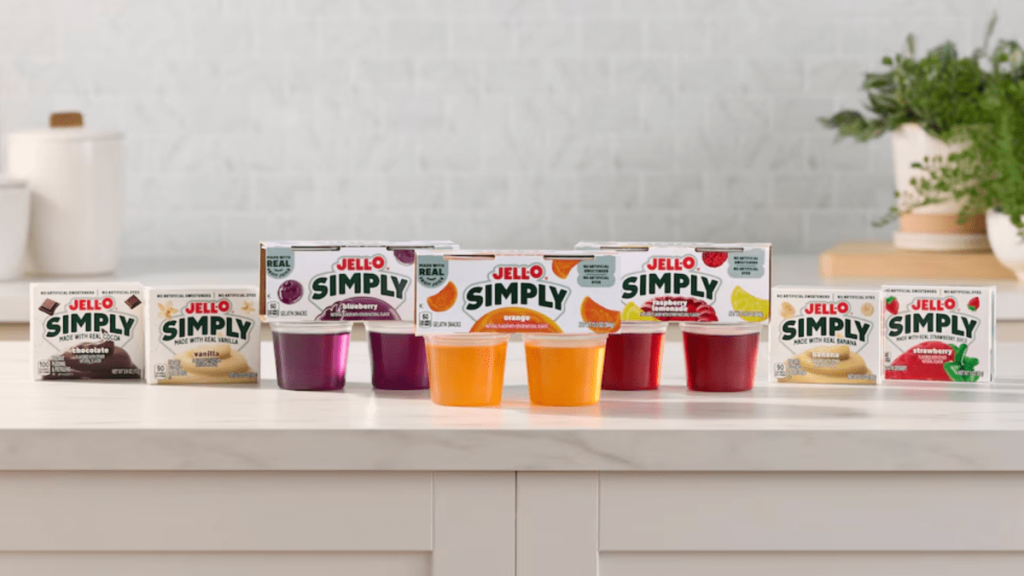
Kraft Heinz said Jell-O Simply is a pre-made gelatin range made with fruit juice and at least 25% less sugar than the regular version. The first three flavors hitting store shelves are orange, raspberry lemonade and blueberry, packaged for convenience and positioned as a cleaner-label treat. The company is pitching the product to shoppers who want familiar brands with simpler ingredient lists.
The company described the new colors as coming from vegetable juice, fruit juice and an extract derived from turmeric roots rather than petroleum-based dyes. Kathryn O’Brien called the rollout a “meaningful evolution” for the 125-year-old brand, pointing to both taste and ingredient changes as drivers. The product is meant to deliver the look and wobble people expect from Jell-O while moving away from artificial colors and sweeteners.
Kraft Heinz plans to broaden the Jell-O Simply lineup in August by adding vanilla and chocolate instant puddings plus banana and strawberry gelatin mixes. That expansion is part of the company’s larger push to transition many items in its U.S. portfolio to more natural ingredients. Executives framed the move as a long-term commitment rather than a one-off product test.
Industry data show consumers are actively searching for foods with fewer artificial ingredients and lower sugar, and manufacturers are responding. NielsenIQ research cited by the company found pre-made gelatin sales fell 21% over the last four years, while unit sales of gelatin mix dropped about 4% in the same period. Those shifts have driven brands to rethink formulas and packaging to stay relevant on crowded grocery shelves.
Regulatory actions and federal guidance have added pressure on food makers as well. In the waning days of the Biden administration the U.S. Food and Drug Administration banned a dye known as Red 3 from the U.S. food supply, and a few months later Trump administration officials urged food makers to voluntarily phase out other petroleum-based artificial colors. Those moves nudged several brands toward natural alternatives and intensified retailer scrutiny.
Retailers have responded by setting their own timelines for cleaner ingredient lists. Target announced in February that it will stop selling cereals containing synthetic colors by this summer, signaling how distribution partners can accelerate reformulation decisions. When major chains set policies like that, manufacturers often follow to keep shelf space and maintain volume.
Kraft Heinz previously pledged to remove artificial dyes from its U.S. products by 2027, noting at the time that about 90% of its U.S. items already did not contain synthetic dyes. The company removed artificial colors from some flagship products years earlier, such as macaroni and cheese in 2016, but acknowledged dyes still remain in brands like Jell-O, Kool-Aid and Crystal Light. Jell-O Simply is positioned as one of the company’s cleaner options while full-line reformulations continue.
O’Brien emphasized that the new line is meant to fit into family routines without asking shoppers to choose between taste and simpler ingredients. “We know families are looking for treats that strike the right balance between great taste and ingredients they can feel good about, and they don’t want to sacrifice the brands they know and love to get there,” O’Brien said in a statement. Kraft Heinz also said Jell-O Simply will be a permanent addition to its portfolio even as the rest of the Jell-O lineup moves away from artificial colors next year.
Ingredient transparency extends to what gelatin actually is: a colorless, flavorless protein derived from animal collagen. Collagen comes from the skin, bones and connective tissues of animals such as cows, pigs or fish, according to the Michigan State University Center for Research on Ingredient Safety, and gelatin’s source can matter for shoppers with dietary or ethical concerns. Brands that rely on animal-derived gelatin often face questions about sourcing and labeling as they pursue cleaner ingredients.
Shoppers should expect to pay a slight premium for the cleaner-label option. Kraft Heinz listed a Jell-O Simply pre-made four-pack at $3.99, about 46 cents more than a regular Jell-O four-pack, which mirrors pricing trends seen with other simply-branded products. That small gap reflects ingredient costs and the market’s willingness to pay for perceived quality and transparency.