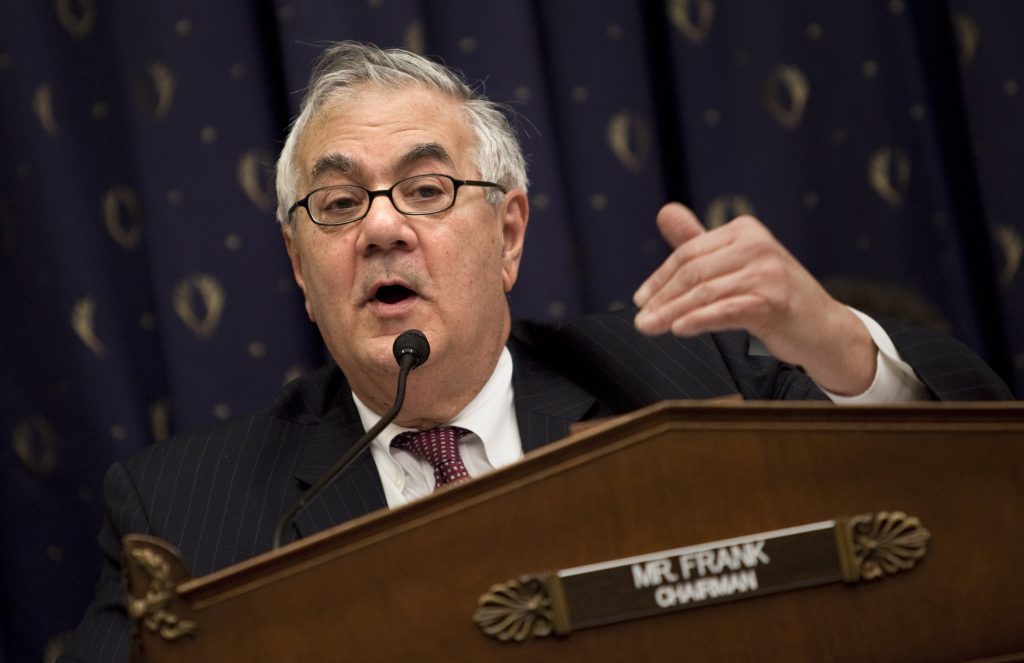
Barney Frank, the long-serving Democratic congressman from Massachusetts who helped shape the post-crisis financial regulatory landscape and became a prominent voice for LGBTQ rights in Washington, has died at 86. This piece looks at his years in Congress, his role in Dodd-Frank and financial oversight, his identity as an openly gay lawmaker, and how his legacy lands from a Republican viewpoint in today’s political landscape.
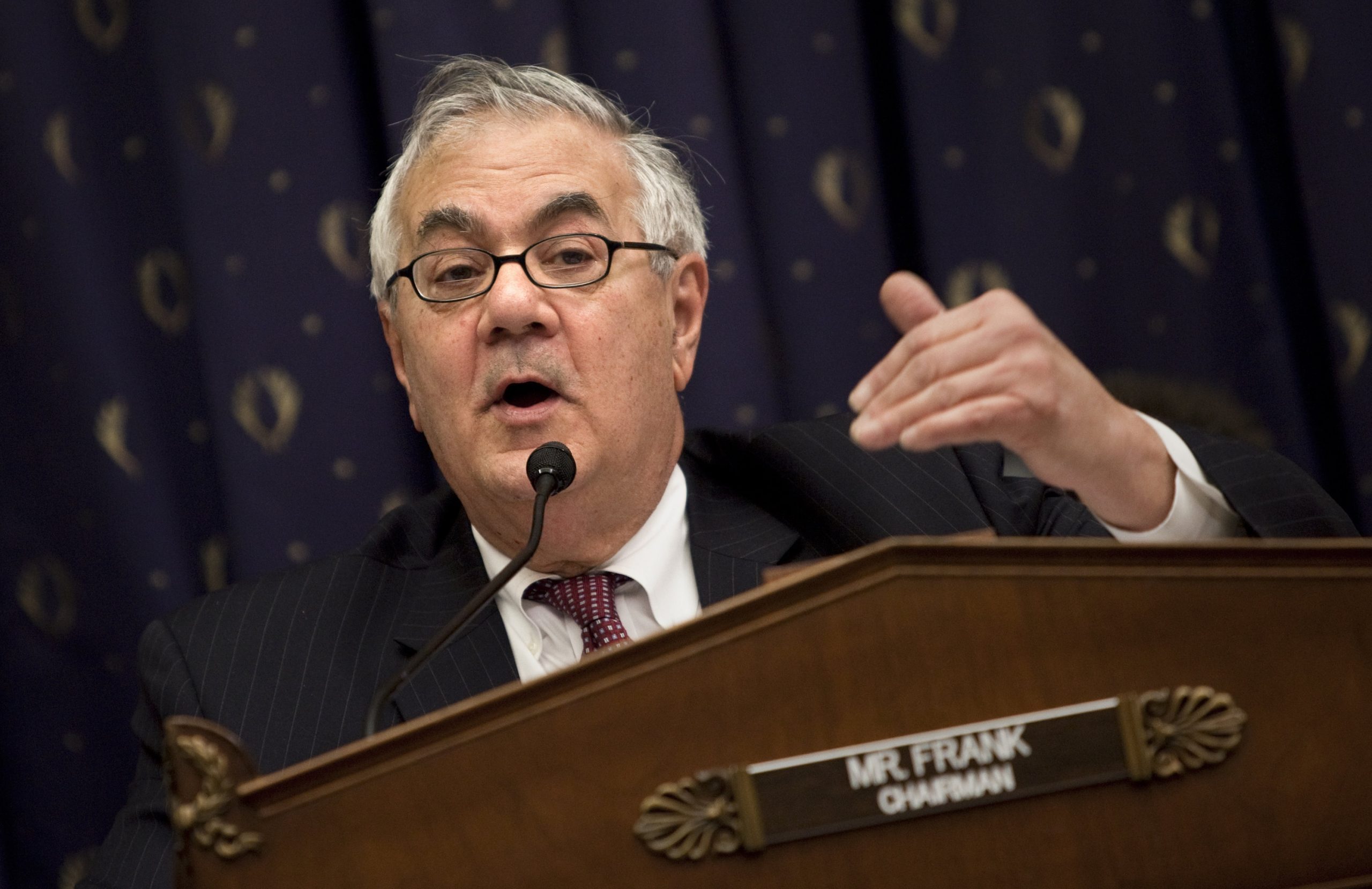
Barney Frank spent decades in the House, representing Massachusetts with a mix of intellect and provocation. He chaired the House Financial Services Committee and his name is linked to the Dodd-Frank Wall Street Reform and Consumer Protection Act, a landmark response to the 2008 financial crisis. To many Democrats he was a policy wonk who knew how to translate outrage into legislation. To Republicans he was a leading architect of a regulatory approach that, in our view, often expanded Washington’s reach into private industry.
Frank’s legislative instincts leaned toward tighter rules on financial firms and new oversight structures in Washington. That had real effects: it reshaped how banks and markets operate and it created new federal agencies and compliance burdens. Supporters argue these changes made the system safer and better for consumers. Skeptics, especially conservatives, saw growth in red tape that slowed economic activity and tilted power toward federal bureaucrats and big compliance shops.
On social issues Barney Frank was a trailblazer. He was one of the first openly gay members of Congress and used his platform to press for LGBTQ rights at a time when few in either party were willing to. That part of his record is straightforward: Frank helped push cultural and legal change in Washington and in the country. It is a reminder that his influence went beyond banking and into how lawmakers think about identity and representation.
His style was unmistakable: sharp-tongued, quick with a zinger, and comfortable with confrontation. That approach endeared him to many and alienated others. Conservative critics often pointed to moments where he clashed with Republicans and financial industry leaders, arguing that his public fights sometimes substituted for careful policy-making. Yet his talent for commanding attention also meant his priorities landed on the national agenda.
Looking at Dodd-Frank and similar measures from today’s vantage point, Republicans tend to stress trade-offs. Regulation can protect consumers, but it can also concentrate power in unelected regulators and create barriers for small banks and community lenders. That debate matters because policy is not just about intent. It is about how rules play out over years in ways lawmakers can never fully predict when they pass a bill in crisis mode.
Frank’s legacy also involves accountability. He pushed for checks on Wall Street after a crisis that cost many Americans their homes and jobs, and that impulse resonates with voters across the country. At the same time, conservatives press for a balance that preserves market dynamism and limits Washington’s unilateral authority. The tension between protecting consumers and preserving economic freedom is central to how Republicans judge his work.
Beyond policy, his personal story changed the expectations for who could hold power in Washington. Barney Frank made it harder to treat identity as a disqualifier and helped open doors for future lawmakers from diverse backgrounds. Even critics recognize the significance of that shift. It is part of why his death prompts reflection across the political spectrum.
Barney Frank’s passing at 86 closes a chapter on a particular kind of Washington figure: brash, deeply involved in policy detail, and unmistakably public about who he was. For Republicans, his career is a case study in both the positives and pitfalls of heavy-handed legislative responses to crisis. As conversations continue about regulation, cultural change, and the role of Congress, his work will remain a reference point in those debates.