There is a particular kind of afternoon that belongs only to Troy, New York — and yet Albany visitors keep stumbling into it, pleasantly confused and completely won over. I am talking about Oakwood Cemetery, the sprawling Victorian-era burial ground perched on a hillside just across the Hudson from Albany, close enough that you can make it a twenty-minute detour from downtown and feel like you have stepped into an entirely different century.
Founded in 1848 in the Rural Cemetery Movement tradition — the same cultural moment that gave us Brooklyn’s Green-Wood and Boston’s Mount Auburn — Oakwood was designed not merely as a place to bury the dead, but as a landscaped park for the living. The founders took that mandate seriously, and the result is 106 acres of rolling hills, old-growth trees, and winding carriage paths that follow the natural contours of the land with a kind of unhurried grace that modern landscape architects still study.
The entrance gates alone are worth the drive. Cast iron and monumental, they open onto a world that operates at a slower frequency than the one outside. The paths curl upward past family mausoleums built from granite and brownstone, past obelisks and weeping angels, past modest headstones engraved with verses that were once heartfelt and are now quietly poetic. The variety of funerary architecture across a century and a half of design sensibility is genuinely fascinating — Gothic Revival chambers sit a short walk from spare early-twentieth-century monuments, which give way to mid-century markers that tell their own story about changing American attitudes toward memory and permanence.
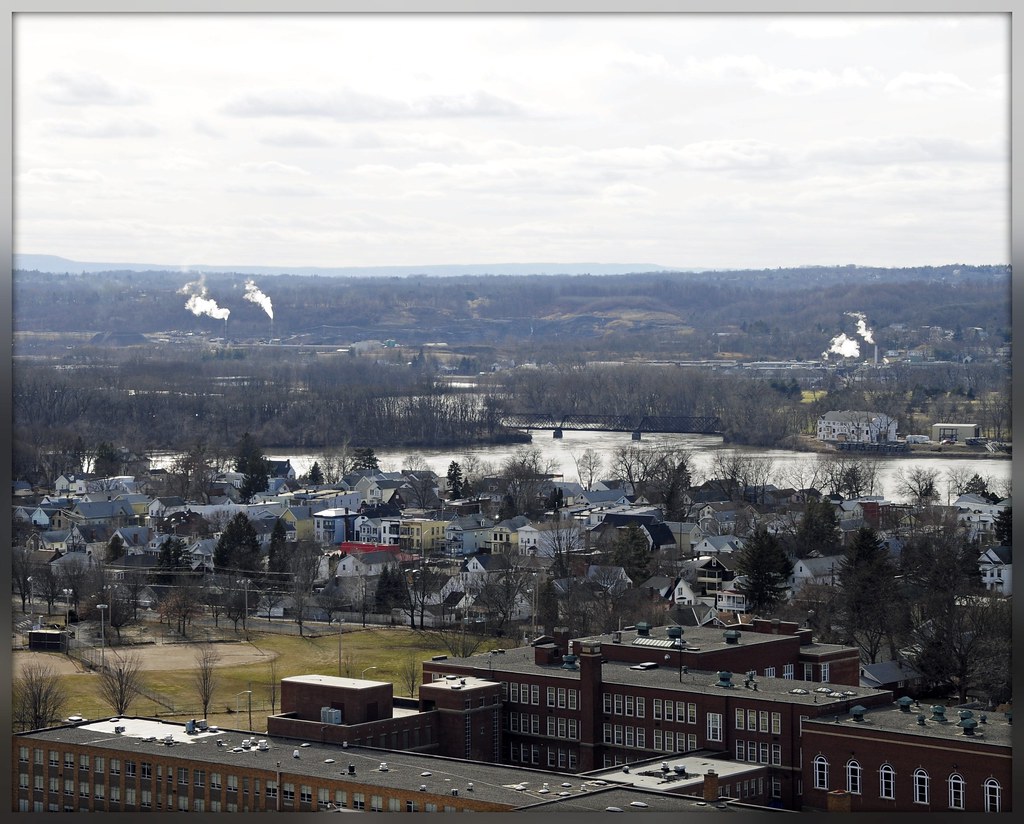
The views from the upper sections of the cemetery are, frankly, spectacular. On a clear day you can see the Hudson River threading south through the valley, with Albany’s skyline rising on the opposite bank. The New York State Capitol dome appears in the distance like a punctuation mark. Bring a camera, because the light in late afternoon does something remarkable here — it catches the stone and the foliage in a way that feels almost cinematic.
History seekers will find no shortage of notables buried within these gates. Senator Roscoe Conkling, the famously imperious Gilded Age Republican boss, rests here. So does Uncle Sam — or rather, the man believed by many historians to be the inspiration for the iconic figure, Samuel Wilson, a Troy meatpacker whose barrels stamped U.S. during the War of 1812 gave rise to an American legend.
The best approach is simply to wander. There are no formal tours on most days, which is actually part of the appeal. Pick up a map at the office near the entrance, choose a direction, and let the paths lead you. You will find yourself reading epitaphs you didn’t expect to find moving, pausing to identify a tree species you half-remember from a field guide, and sitting for a while on a hillside bench listening to nothing in particular.
Oakwood is open daily during daylight hours, admission is free, and it sits about ten minutes by car from downtown Albany via the Collar City Bridge. It pairs beautifully with a stroll through Troy’s Collar City antique district or a meal at one of the restaurants along River Street. Come in autumn if you can possibly manage it — the maples turn a color that has no adequate name, and the whole place glows.