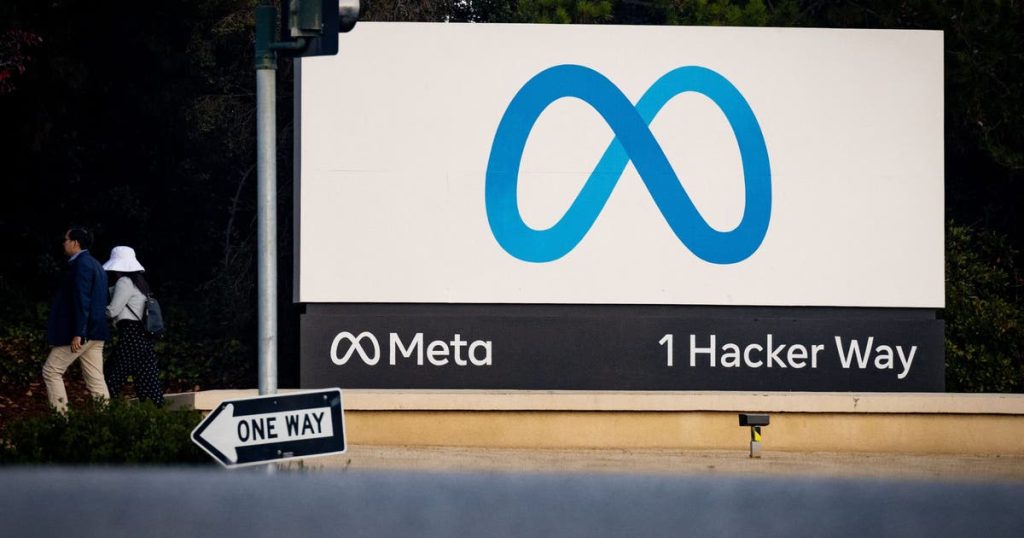
The Bay Area tech sector was rattled Wednesday when Meta and Intuit announced fresh rounds of layoffs, touching thousands of employees across Silicon Valley and Mountain View. This piece looks at how those cuts fit into wider shifts in hiring, investment, and workplace strategy for companies big and small in the region. Expect a clear take on ripple effects for workers, startups, and the local economy around San Francisco and Mountain View.
Meta and Intuit joining a string of recent reductions highlights how quickly momentum can change in tech. Both firms cited shifting priorities and efficiency goals while explaining the need to slim teams. For the many people affected, the math is simple: fewer jobs means more competition for openings and a lot of career recalibration.
The cuts follow a period when firms expanded aggressively during hiring booms, then paused or reversed course as revenue forecasts tightened. Advertising demand cooled for some companies and product pivots tied to AI investment forced reorganizations. That flip from growth hire to contraction is jarring for employees who expected steady ramp-ups.
Mountain View and neighboring cities have been at the center of those cycles because of concentrated tech employment and real estate costs. Rent and commuting pressures amplify the personal impact of layoffs; many workers face higher living bills even as paychecks stop. For local businesses that depend on office traffic, sudden job losses cut into lunchtime footfall and discretionary spending.
These reductions also affect how startups think about talent and timing. With big employers trimming staff, some startups see opportunities to hire experienced engineers on more reasonable terms. At the same time, venture capital caution means new companies may delay aggressive expansion, balancing the chance to add talent against tighter funding rounds.
Recruiters and HR teams are reshaping their approach after this latest wave of departures. Priorities are shifting toward retention, cross-training, and clearer role definitions to avoid overlapping teams that become targets in future cuts. Job seekers are hearing two consistent messages: emphasize adaptability and lean into demonstrable impact.
For employees hit by the layoffs, severance packages and career services become lifelines, but they rarely erase the disruption. Networking, reskilling, and contract work are immediate stopgaps while people look for the right next step. Community programs and local job fairs can help, yet the transition still feels abrupt for many families in the Bay Area.
Investors watching the landscape are parsing whether these moves are temporary pullbacks or longer-term structural shifts. Some believe the market is correcting frothier valuations built during the pandemic, while others view the changes as a necessary recalibration toward sustainable profitability. Either way, how quickly companies hire again will shape momentum in 2026 and beyond.
The public sector and education institutions are paying attention, too, since workforce shifts ripple into vocational training and local services. Colleges and bootcamps around the Bay Area may adapt curricula to match demand for cloud skills, AI pipelines, and cybersecurity. That alignment could shorten the time it takes laid-off workers to find roles that need their experience.
Cities like San Francisco and Mountain View face policy questions about economic resilience when large employers make sudden cuts. Supporting displaced workers with retraining incentives and strengthening smaller businesses that rely on tech payrolls can ease shocks. Policymakers will need to balance attracting employers with measures that protect workers during industry churn.
As Meta and Intuit make changes, employees and leaders alike are learning that agility matters more than ever. Companies that communicate clearly and invest in internal mobility tend to retain institutional knowledge and reduce morale damage. For the region, the near-term picture includes higher job market competition, followed by potential rebalancing as capital and talent find new equilibrium.