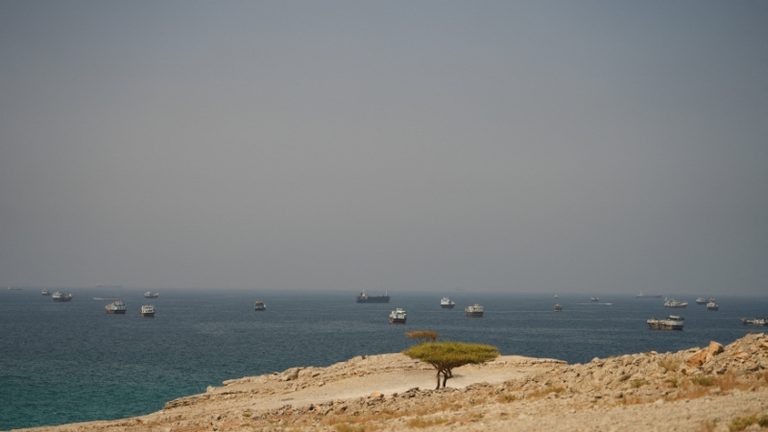
Iran and Gulf states are slated to meet in Oman on Monday, offering a forum to discuss regional issues, including the strategic Hormuz waterway. According to a senior Iranian official speaking on condition of anonymity, the gathering was called at Oman’s initiative and will not produce a signed agreement on the waterway at this time.
Background on the Hormuz negotiations
For months, Tehran has been negotiating with Oman, which controls the opposite bank of the Hormuz waterway, over a deal that would regulate transport through the narrow strait. Iran seeks an arrangement that would allow it to collect fees from ships transiting the waterway, a proposal that Oman has consistently rejected.
Oman has long said its negotiations are supported by other Arab Gulf countries, though no official announcement of the meeting has been made by Muscat. Bahrain publicly stated it will not attend any meetings with Iran, underscoring lingering regional tensions.
Strategic importance of the waterway
Before the February attacks by the United States and Israel, roughly one‑fifth of global oil supplies passed through Hormuz. The strait remains a critical conduit for world energy markets, and any disruption can quickly affect oil prices.
Recent weeks have seen a surge in global oil prices after both the United States and Iran fired on tankers in the Hormuz waterway. At the same time, Iran’s Houthi allies in Yemen have advanced toward the Bab el‑Mandeb Strait, another vital oil route on the opposite side of the Arabian Peninsula.
U.S. and allied interests
The United States continues to monitor the situation closely, given its longstanding commitment to keeping the Hormuz waterway open for commercial navigation. While the meeting does not promise an immediate resolution, it provides an opportunity for diplomatic engagement that could help stabilize a region critical to American energy security.
U.S. officials have not commented directly on the upcoming talks, but the administration has repeatedly emphasized the importance of free navigation and the need for regional partners to work together to prevent further escalation.
What to watch
Analysts will be watching for any signals from Oman or Iran that could indicate a shift toward a mutually acceptable framework for fee collection or broader cooperation on maritime security. Even without a signed deal, the dialogue may lay groundwork for future agreements that balance Iran’s economic interests with Oman’s sovereignty concerns.
For now, the meeting remains a diplomatic step rather than a decisive policy breakthrough. Stakeholders in the energy sector, as well as regional governments, will continue to assess the implications of the talks on oil markets and regional stability.
Original reporting: Appleton, WI News Feed (HLL/CB) — read the source article.