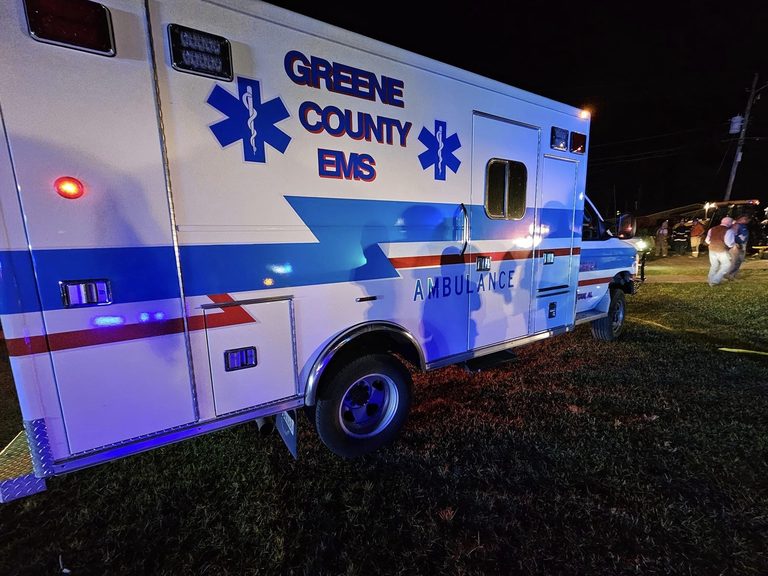
Greene County residents may face longer than usual wait times for ambulance responses due to the county’s emergency medical services (EMS) facing significant financial difficulties. Despite being able to dial 9-1-1 for medical emergencies, the response may be delayed.
Financial Struggles and Temporary Solutions
A Quick Response Vehicle (QRV) was recently placed into service to help mitigate lengthy response times from out-of-county ambulances. However, this is only a temporary solution, and a long-term fix must still be found. The Greene County EMS has been warning about difficult conditions, including equipment maintenance, personnel shortages, inadequate facilities, low reimbursement rates, and overall low operational finances.
A statement from the GCEMS management emphasized that they cannot provide a state-compliant, life-saving service without the necessary baseline financial resources. This prediction of imminent collapse and curtailed services came true when the CGEMS temporarily suspended operations, leaving the county dependent on mutual aid responses from nearby counties.
Legislative Efforts to Support Rural Ambulance Services
A bill sponsored by State Senator Bobby Singleton, aimed at stabilizing and supporting financially strapped rural ambulance services, was passed during the legislative session and signed into law by Governor Ivey in April. The bill requires insurers to pay for patient assessment and treatment on-site when transport to a hospital is not necessary. It also mandates health insurers to reimburse in-network EMS providers at a minimum of 200% of the Medicare Ambulance Fee Schedule rate and limits out-of-pocket costs for patients who call 9-1-1.
Original reporting: The Tuscaloosa Thread — read the source article.