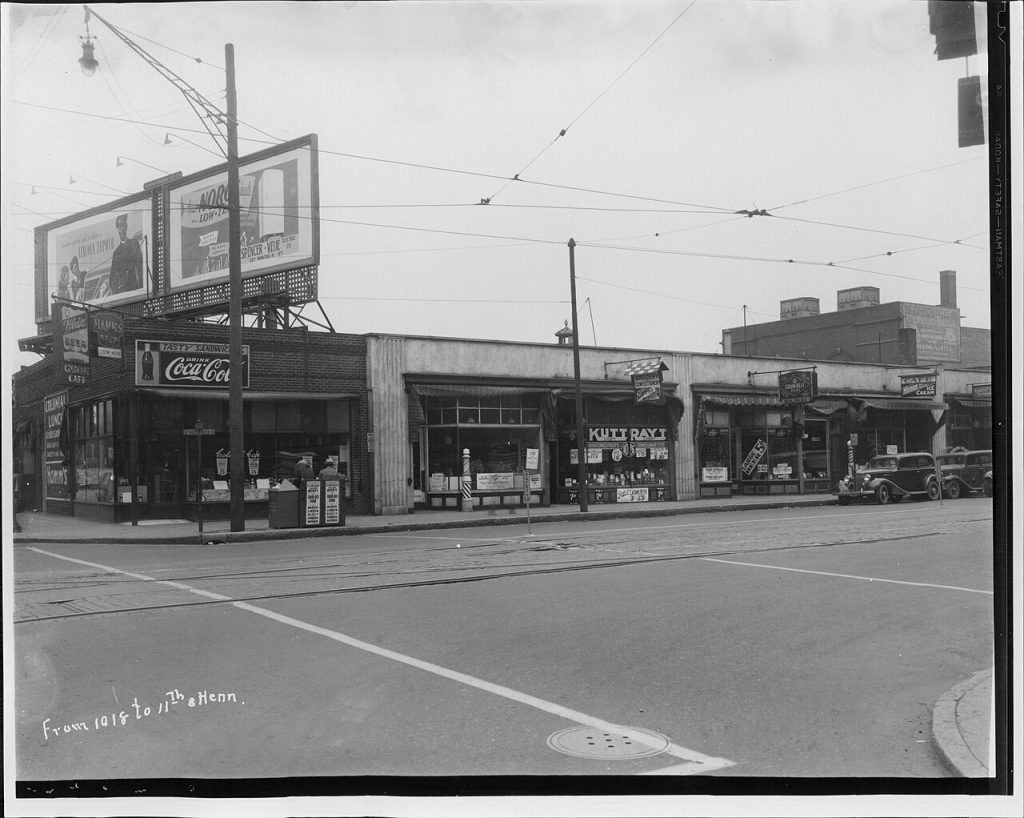
There is a certain kind of Minneapolis bar that exists outside of trend cycles. No reclaimed wood accent walls, no QR-code menus, no rotating “craft cocktail experience.” Palmer’s Bar on the West Bank has been exactly what it is since 1906, and it wears that history the way a good leather jacket does — broken in, a little worn at the edges, and frankly better for it.
You’ll find Palmer’s on Cedar Avenue South, tucked into the West Bank neighborhood, which is itself one of the most culturally layered corners of the Twin Cities. This stretch of Minneapolis sits between the University of Minnesota and the Cedar-Riverside neighborhood, home to one of the largest Somali diaspora communities in the United States and a long-running tradition of folk, blues, and punk that goes back decades. Palmer’s fits right in — and always has.
Walking through the front door the first time feels like walking into a city’s living memory. The bar is long, the lighting is low, and the walls are covered in the kind of accumulated decoration that can only happen organically over a century of regular customers and rotating performers. Signed photographs, old show posters, instruments in various states of retirement. Nothing is curated. All of it is real.
The drinks are straightforward and honestly priced — a refreshing rarity in an era when a beer and a shot can quietly become a $28 interaction. Palmer’s keeps things grounded. Cash is still king here, though they’ll take a card. Order a Grain Belt Premium on tap, take a seat at the bar, and let the room come to you.
What makes Palmer’s genuinely special, beyond the atmosphere and the prices, is its role as a live music venue. The stage is small, the sound system is better than you’d expect, and the booking policy has always leaned toward the adventurous. On any given weekend night you might catch a blues act, a reggae band, a local punk outfit, or something entirely unclassifiable. The West Bank has always been Minneapolis’s most musically eclectic neighborhood — this is the same corridor that nurtured the folk revival in the 1960s — and Palmer’s has been a part of that current the entire time.
It also draws a crowd that reflects the neighborhood itself: university students, longtime regulars who have been coming in since before most visitors were born, musicians between sets from other venues nearby, and curious newcomers who found the place the right way, by wandering down Cedar on foot.
There is no dress code. There is no attitude. The bartenders are efficient and friendly without being performatively so. The jukebox, when the live acts aren’t going, plays things you actually want to hear.
If you’re mapping out a Minneapolis trip around the polished and the photogenic, Palmer’s will not appear on most itineraries. That is precisely why you should go. Some of the best hours in any city are spent in places that have nothing left to prove — and Palmer’s Bar proved itself a very long time ago. Show up on a Friday night, find a spot at the bar, and let the evening unfold at its own pace. Minneapolis has no shortage of great nights out. This one just happens to come with 118 years of practice behind it.