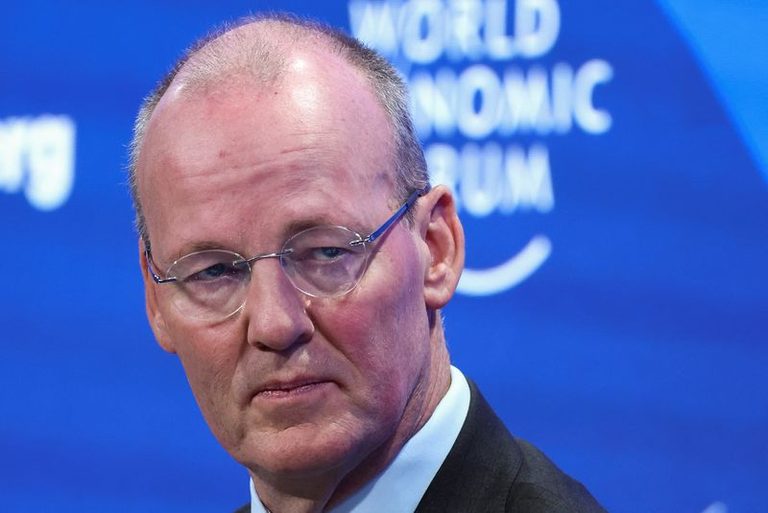


Paris and Frankfurt – In a behind‑the‑scenes diplomatic push, France is prepared to support Dutch veteran central banker Klaas Knot as the successor to Christine Lagarde at the European Central Bank (ECB). The French side, reportedly backed by President Emmanuel Macron, wants the coveted chief economist position to go to a French nominee in exchange.
French proposal and political dynamics
Sources close to the negotiations told Reuters that the informal arrangement hinges on France’s blessing for Knot, who led the Dutch central bank from 2011 until 2025. In return, France would press for the ECB’s chief economist post – a role chosen by the ECB president from among the Executive Board – to be filled by a French official.
Macron’s office has not commented, and Knot declined to speak. The Dutch finance ministry also did not respond, while the ECB declined to comment on the speculation.
Who is Klaas Knot?
Knot is widely regarded by market participants as a pragmatic policymaker. He is described as “a hawk, but in a smart way,” reflecting a tendency toward tighter monetary policy while remaining flexible enough to adjust as economic data evolves. His experience leading the Dutch central bank for more than a decade positions him as a credible candidate for the ECB’s top job.
Potential French chief economist candidates
Paris has reportedly identified several names for the chief economist slot, including Banque de France Deputy Governor Agnès Bénassy‑Quéré, former OECD chief economist Laurence Boone, and Helene Rey, currently at the Bank for International Settlements. Selecting a French economist would also help preserve gender balance on the ECB board, where Christine Lagarde and Isabel Schnabel are the only women.
German opposition likely
The plan is expected to encounter stiff resistance from Germany, which traditionally safeguards its influence over the ECB. While the proposal would free Germany’s seat for Schnabel’s successor, German officials are also eyeing the chief economist role, widely seen as the second‑most influential position on the board.
Germany’s concern reflects broader euro‑zone dynamics: France, burdened by higher debt levels, seeks a firmer hand on monetary policy, whereas Germany, with a stronger fiscal position, remains wary of any perceived softening of the ECB’s price‑stability mandate.
Implications for the ECB and the euro zone
If the arrangement proceeds, it could reshape the balance of power within the ECB’s governing council, which is appointed by consensus among the 21 euro‑zone countries, with Germany, France and Italy holding de facto permanent representation. An early departure by Lagarde – who has hinted she will remain until at least 2027 – and Schnabel could accelerate the need for a broad deal to fill both the presidency and the chief economist posts.
Former Bank of Spain governor Pablo Hernández de Cos is viewed as Knot’s main rival for the presidency. However, his southern‑European background may make a French chief economist appointment more palatable to northern euro‑zone members seeking to preserve the regional balance of influence.
Broader political context
Lagarde’s tenure has coincided with growing eurosceptic sentiment in France, where far‑right leader Marine Le Pen is polling strongly ahead of the 2027 presidential election. An early transition could give President Macron a decisive say in the ECB’s leadership before the election, potentially influencing the narrative around European integration.
While the proposal remains informal, the French backing for Knot signals a strategic effort to ensure that the euro‑zone’s monetary policy remains disciplined and that France retains a strong voice in the ECB’s decision‑making process.
Next steps
The next round of discussions is expected to take place among euro‑zone finance ministers and central bank governors. Consensus will be required before any appointments can be formalized, and German objections could shape the final outcome.
Stakeholders will be watching closely as the ECB’s leadership transition unfolds, given its impact on interest‑rate policy, inflation control and the broader stability of the euro area.
Original reporting: Appleton, WI News Feed (HLL/CB) — read the source article.