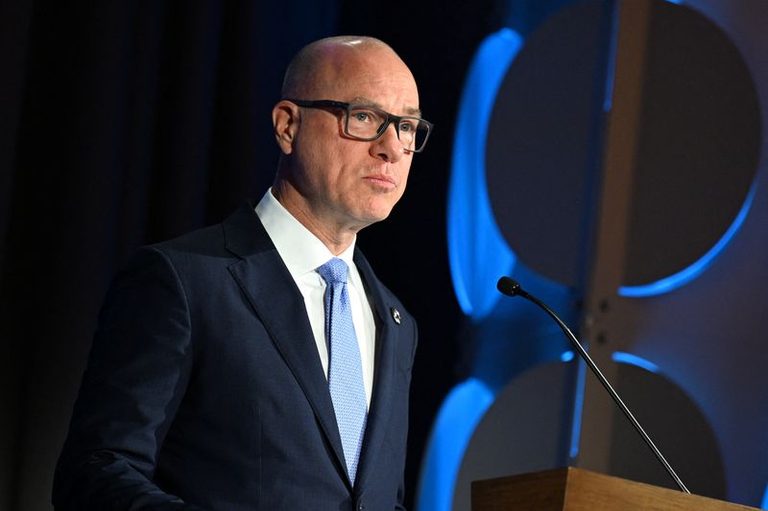
Washington – At a U.S. House Transportation subcommittee hearing on September 15, FAA Administrator Mike Bedford warned that the agency’s ambitious plan to modernize the nation’s air traffic control system will require far more funding than Congress has authorized.
Phase One costs exceed original estimate
Last year, Congress approved a $12.5 billion package for air traffic control reforms, allocating $9 billion for modernization and $3.5 billion for facilities construction. Bedford told the subcommittee that the actual cost for Phase One of the program has risen to $16 billion, leaving a shortfall that the FAA will cover from its existing facilities and equipment budget.
Phase Two still unfunded
Beyond the immediate gap, the FAA is seeking at least an additional $10 billion from lawmakers to fund Phase Two of the modernization effort. Bedford urged Congress to approve the supplemental funding so the agency can continue its “scale‑up” and complete the upgrades without further delays.
GAO report highlights under‑estimates
A Government Accountability Office (GAO) report released on Tuesday confirmed that the FAA has consistently underestimated the total cost of operating the new system and has not provided a detailed schedule for completing the reforms. The GAO noted that the agency is managing more than 11,000 separate projects in Phase One, which were previously estimated at $10.6 billion.
Telecommunications upgrades drive cost surge
The GAO also identified a sharp increase in the price tag for telecommunications upgrades, which jumped $4.75 billion to $5.91 billion. Bedford said the outdated copper wiring that supports current air traffic communications must be fully replaced by September 2027 to ensure reliable service.
Contract awarded to Peraton
In December, the FAA awarded a $1.5 billion contract to Peraton, a firm owned by private‑equity group Veritas Capital, to oversee the modernization effort. The contract is intended to provide the program’s central management and integration capabilities.
Congressional response
Lawmakers on the subcommittee expressed concern about the funding gap but indicated willingness to consider the FAA’s request for additional resources. The administration’s push for more money reflects a broader commitment to address the aging air traffic control infrastructure, improve controller hiring, and reduce the chronic congestion and delays that have plagued U.S. airports for years.
Looking ahead
With the FAA’s modernization plan now clearly outpacing the original budget, the next steps will hinge on congressional action. Securing the requested $10 billion for Phase Two will be critical to completing the technology upgrades, replacing obsolete telecom equipment, and delivering a safer, more efficient national airspace system for airlines and passengers alike.
Original reporting: Appleton, WI News Feed (HLL/CB) — read the source article.