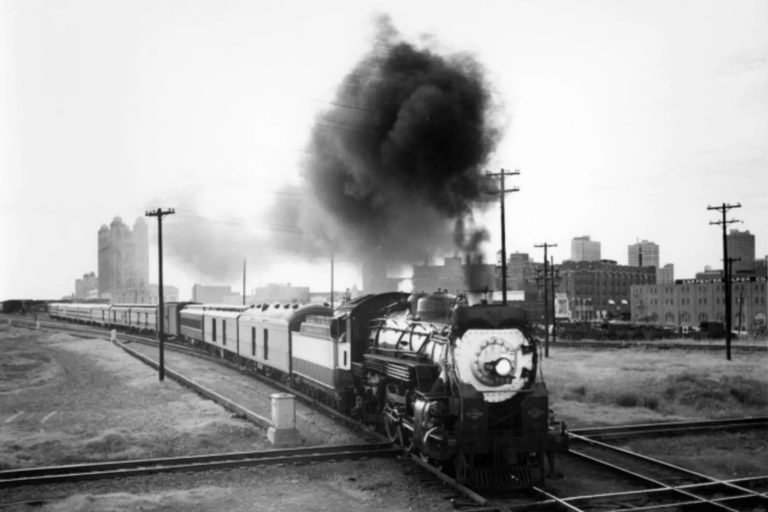
The first railroad reached Fort Worth on July 19, 1876, thanks to volunteers who completed building the road bed after Texas and Pacific Railway filed for bankruptcy. This marked a significant turning point in the city’s history, changing its economy and future. Historian Rick McCaslin notes that the population of Fort Worth tripled in the next 10 years, demonstrating the immediate impact of the railroad.
Impact on the City
Before the railroad, Kansas was the primary location for cattle transportation. However, with the railhead moving south, Texas ranchers gained a significant advantage. McCaslin emphasizes that these ranchers were key figures in the Gilded Age, contributing to the investment in the cattle industry. Although they may not have been as flashy as other investors, they played a crucial role in the development of the American West.
Today, trains remain vital for transporting goods in and out of Texas. In fact, since 1911, Texas has had the most railway mileage of any state. While highways have become a primary mode of transportation, McCaslin points out that they cannot replace the efficiency and cost-effectiveness of railroads in carrying cargo.
Original reporting: Fort Worth Report — read the source article.