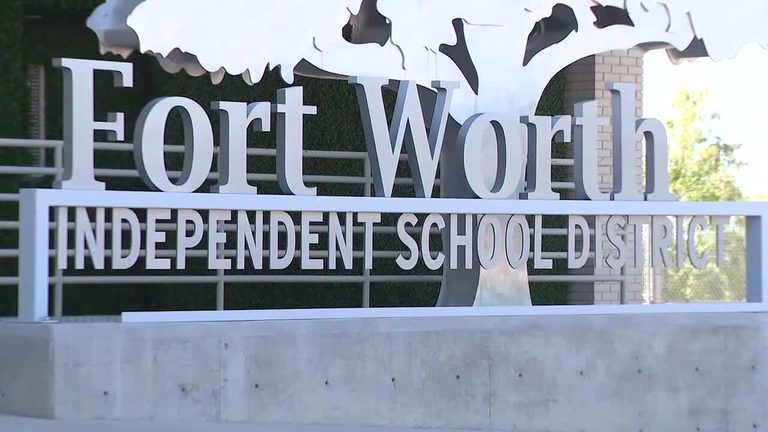
Fort Worth Independent School District (FWISD) has begun live‑streaming video from selected elementary classrooms as part of its Elevate Model turnaround program. The cameras, installed in third, fourth and fifth‑grade rooms at the district’s lowest‑performing schools, are intended to provide a real‑time instructional feed when a student must receive instruction from a location other than the assigned classroom.
District’s rationale
In a written statement, FWISD explained that the web cameras are meant to promote “instructional continuity.” The district says the devices will stream video of students and teachers but will not record the classroom. According to the district, the live feed allows a teacher who steps out of the room to continue supervising students, and it enables students who are temporarily removed for discipline to keep accessing the lesson without disrupting the class.
Parental concerns
Several parents reported that they learned of the cameras only after the 2026‑27 school year had begun. “We felt blindsided by that this week,” said Zach Leonard, a Fort Worth ISD parent and president of the advocacy group Families Organized and Responding to Takeover (F.O.R.T.). Leonard expressed worry that the cameras could be used to monitor teachers, questioning whether surveillance is the true intent. He also asked whether the policy had received legal sign‑off and whether all parents had formally approved the installation. “The answer we’ve gotten from parents is, ‘No, I wasn’t aware of this,’” Leonard added.
Legal and policy context
The district notes that the camera policy has been part of the Elevate Model since its inception and that the devices do not record, only stream. However, Leonard and other parents have raised questions about the legality of the practice, particularly regarding parental consent and potential privacy implications.
FWISD was placed under Texas Education Agency (TEA) oversight in October of the previous year, a status it shares with Houston ISD, which has employed a similar web‑camera approach after a state takeover. The TEA’s involvement underscores the district’s focus on improving academic outcomes at schools that have struggled to meet state standards.
What’s next?
FWISD has not indicated any immediate changes to the policy. The district continues to emphasize that the cameras are a tool for instructional support rather than surveillance. Parents and community members are encouraged to attend upcoming school board meetings to voice concerns and seek clarification on consent procedures.
As the debate unfolds, the situation highlights the tension between district‑wide efforts to boost academic performance and the desire of families to retain control over classroom environments. The outcome may influence how other Texas districts approach technology‑driven interventions in schools under state oversight.
Original reporting: Dallas – Ft. Worth Feed (HLL/CB) — read the source article.