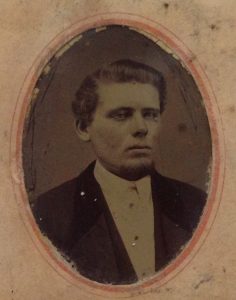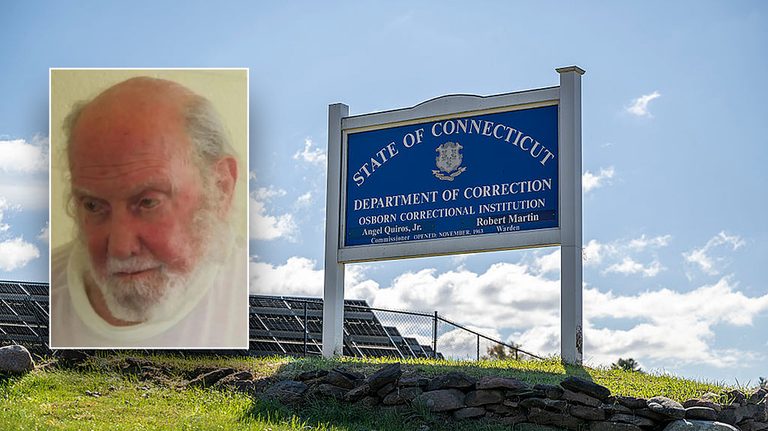
Francis Clifford Smith, a 101‑year‑old inmate who is thought to have been the longest‑serving prisoner in United States history, died peacefully in his sleep at a secured Connecticut nursing facility known as 60 West. The facility, which cares for older adults involved in the justice system, confirmed his death in late June.
Background and original conviction
Smith was 25 when he was sentenced to death for the 1949 shooting of Grover Hart, a 68‑year‑old night watchman at a yacht club in Connecticut. The killing occurred during an attempted robbery on July 23, 1949. Smith and another man, George Lowden, were arrested. Lowden initially implicated Smith but later claimed he had been coerced by authorities and refused to testify at trial.
Over the next seven decades, Smith’s execution date was set and postponed eight times. Each scheduled execution was halted, largely because new evidence raised doubts about his guilt. A key witness later recanted her testimony linking Smith to the crime, Lowden repudiated his earlier statement, and another inmate in Alabama claimed responsibility for Hart’s death.
Efforts for a new trial and parole
Despite the emerging questions, a judge who reviewed the Alabama inmate’s confession deemed it not credible, and Smith never received a new trial. His death sentence was commuted to life imprisonment in 1954. He spent 76 years behind bars, with only three brief periods of freedom. In 1967 he escaped and remained at large for 12 days. In 1975 he was granted parole, lived free for about ten months, then was arrested on larceny and weapons charges and returned to prison, though he was not ultimately convicted of those charges.
Later records show Smith declined or refused participation in several parole hearings, though he later disputed that characterization, saying he could not recall. In 2020 he agreed to supervised parole to the 60 West facility, where he spent his final years.
Final years and legacy
Smith reportedly suffered from dementia toward the end of his life, though the Connecticut Department of Corrections has not confirmed the diagnosis. Andrius Banevicius, the department’s public information officer, told the BBC that Smith “did pretty well as far as longevity is concerned.” Smith was cremated without a funeral, and a spokesperson for 60 West said he died of old age and that the facility honored his wishes.
Friends and former acquaintances said Smith maintained his innocence until his death, repeatedly stating, “I’m in here on no evidence at all.” One former officer, Major Leo Carroll, testified shortly before Smith’s eighth scheduled execution that he was not even sure Smith had been present at the murder.
The case highlights the complexities of the criminal‑justice system, especially when decades pass and evidence evolves. Smith’s story serves as a reminder of the importance of due process, the potential for wrongful convictions, and the human dimension of long‑term incarceration.
Original reporting: Fox News (HLL/CB) — read the source article.