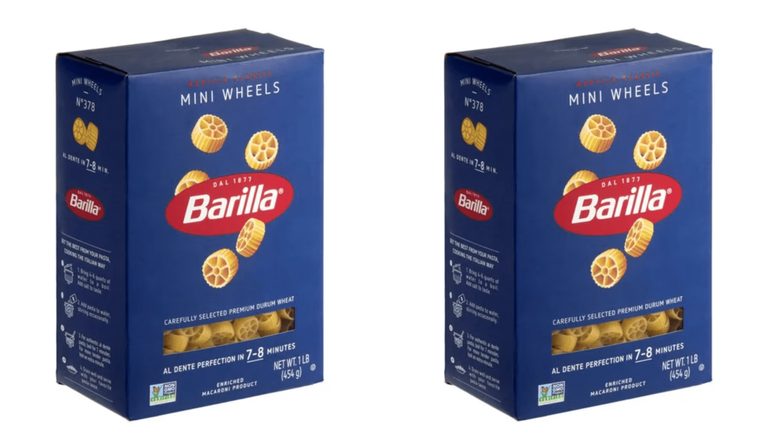
When Kate, a mother from Texas, posted on Threads in June that her son – a child with autism and a genetic disorder – could no longer find his only “safe” food after Barilla discontinued its Mini Wheels pasta, the internet answered with compassion and action. The post, which quickly went viral, highlighted the critical role that a single, familiar food can play for families managing feeding challenges.
Social media mobilizes to protect a vulnerable child
Kate wrote that she was willing to pay “just about anything” to avoid a feeding tube for her son. Within hours, strangers began purchasing boxes of the discontinued pasta, ensuring she had a reserve supply. One user even bought the entire stock of 29 boxes from a local grocery store and offered them to the family. By September 17, the thread had amassed more than 10,000 likes and hundreds of retweets, illustrating the power of online communities to rally around families in need.
Barilla responds with a one‑year supply
Barilla confirmed that it had replaced Mini Wheels with a larger, Formula‑1‑themed Racing Wheels product, which, while similar, differs in shape and texture – a crucial distinction for children with sensory sensitivities. In a statement to TODAY.com, a Barilla spokesperson said the company had been in touch with Kate and would provide a one‑year supply of Mini Wheels pasta. The spokesperson added, “We’ve been incredibly touched by Kate and her son’s story, and the number of people who have rallied around their family.”
Expert insight on food selectivity in autism
Feeding specialist Malina Malkani explained that food sensitivities affect an estimated 23% to 69% of individuals with autism, far beyond ordinary picky eating. She emphasized that a sudden loss of a preferred food can lead to days without eating, posing serious health risks. Malkani warned against the common misconception that a child will simply eat when hungry, noting that “starving them out” can be harmful.
According to Malkani, the sensory experience of food – texture, sound, temperature, and visual consistency – is processed by a child’s nervous system. Even a minor change, such as the larger wheels of the new pasta, can be disorienting. She recommends “food chaining,” a gradual method of introducing new foods by making small, single‑variable changes over time, to expand the range of safe foods for children with feeding disorders.
Community support underscores the importance of family‑centered care
The outpouring of assistance for Kate’s family reflects a broader commitment among faith‑based and family‑focused communities to protect vulnerable children. By responding quickly and offering tangible help, strangers demonstrated the strength of a compassionate, liberty‑affirming society that values the well‑being of every child.
Kate expressed her gratitude, writing, “I am ASTONISHED and crying my eyes out at the kindness I’m finding here. You are incredible people & I told my nonspeaking boy how loved he is & thank you on his behalf, too.” The story serves as a reminder that when families face unique challenges, community action and corporate responsiveness can together safeguard health and dignity.
Original reporting: Dallas TX News (HLL/CB) — read the source article.