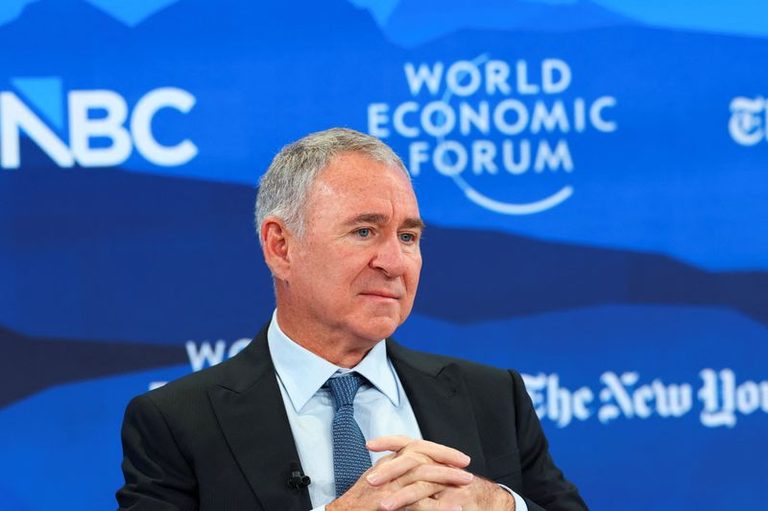
Citadel, the hedge fund led by billionaire investor Ken Griffin, has dramatically reduced its exposure to the AI‑focused Situational Awareness portfolio. According to a letter to investors reviewed by Reuters, the firm has sold more than 80% of the positions it acquired, representing roughly $4 billion in value.
Background on the Situational Awareness fund
Situational Awareness, founded by former OpenAI researcher Leopold Aschenbrenner, concentrates on artificial‑intelligence driven equities. Heavy losses in its technology holdings forced the fund to unwind most of its public‑equities book, prompting a sale of the bulk of its stock bets to Citadel last month.
Citadel’s rapid divestiture
Since the purchase, Citadel has executed nearly 100 block trades to shed the holdings. Griffin noted that the trades included the largest intraday block transactions of the year across ten different securities. The firm, which manages about $77 billion in assets, declined to comment further on the strategy.
“Our ability to distribute this risk was central to our investment thesis. These moments highlight our ability to quickly evaluate complex risks, deploy capital with speed and conviction, and execute with precision,” Griffin wrote in the investor letter.
Market context and performance
The AI sector experienced a sharp sell‑off in July, and the Situational Awareness portfolio lost 67% of its value that month, forcing the unwind of most of its $16 billion public‑equities book. Griffin and senior team members reportedly worked through the night to assess the liquidity of the positions before executing the sales.
Citadel’s flagship multi‑strategy fund, Citadel Wellington, posted a 5.94% gain in July and is up 12% for the year, underscoring the firm’s broader resilience amid market turbulence.
Implications for the hedge‑fund landscape
Citadel’s swift exit illustrates how large hedge funds can capitalize on market dislocations, especially in fast‑moving sectors like artificial intelligence. The firm’s ability to coordinate with banks and prime‑brokerage teams was highlighted as essential to completing a transaction of this magnitude.
Industry observers note that such large‑scale block trades can influence market pricing and liquidity, particularly when they involve high‑profile AI stocks that have attracted significant investor attention over the past year.
Looking ahead
While Citadel has pared down its exposure to Situational Awareness, the hedge fund remains a dominant player in global markets, with a diversified portfolio spanning multiple asset classes. The firm’s actions this month may signal a more cautious stance toward AI‑centric equities as volatility persists.
Investors will be watching how other funds respond to the ongoing correction in AI stocks and whether further consolidations or exits become commonplace in the sector.
Original reporting: Appleton, WI News Feed (HLL/CB) — read the source article.