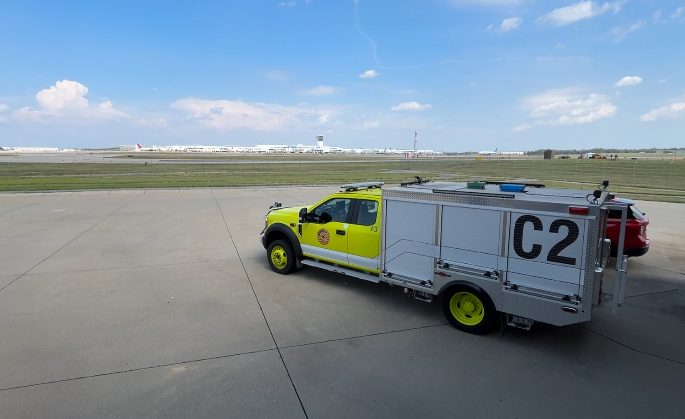
On Friday morning, Cincinnati/Northern Kentucky International Airport (CVG) staged a full‑scale emergency drill that simulated a runway collision between a cargo plane and a passenger aircraft. The exercise was designed to evaluate the preparedness of local rescue teams, recovery crews and nine hospitals that serve the Greater Cincinnati area.
Why the drill matters
“We never take it for granted that it won’t happen here. The reality is it can happen here,” said Larry Krauter, CEO of CVG, emphasizing the airport’s commitment to public safety. Krauter explained that the scenario, while unlikely, represents a “potential possible scenario” that emergency responders must be ready to address.
Hospital involvement
Gene Barber, senior vice president of St. Elizabeth Healthcare, highlighted the value of a physical drill over a tabletop exercise. “A tabletop, you’re kind of talking about things. This will be physical people coming in looking like they’re injured, with the ability to transfer patients to inpatient units and monitor large volumes of people coming in at one time,” Barber said. St. Elizabeth will staff extra personnel during the drill to ensure normal hospital operations remain uninterrupted.
What the drill entailed
The simulated crash involved mock victims, smoke generators and flashing sirens visible from the airport perimeter. Emergency medical services, fire crews, police and airport security coordinated their response, practicing triage, patient transport and communication protocols. Airport officials confirmed that regular commercial flights were not affected; the visual and auditory cues were part of the exercise.
Community impact
Residents near the airport reported hearing sirens and seeing smoke plumes, but were reassured that the activity was a planned drill. The exercise underscores the region’s dedication to protecting travelers and nearby neighborhoods from the consequences of a major aviation incident.
Looking ahead
Both airport leadership and local health systems view the drill as a critical step in maintaining readiness. “We hope an event like this never happens, but being prepared is the best way to protect our community,” Barber added. The successful completion of the drill will be reviewed by a joint task force, which will incorporate lessons learned into future emergency plans for the airport and surrounding medical facilities.
Original reporting: WLWT Cincinnati — read the source article.