On August 29, 2024, a 911 call was placed in Cincinnati reporting damage to a vehicle’s windshield and a possible firearm discharge involving the caller’s girlfriend. The call was immediately classified as a priority‑one shooting, prompting an urgent police response.
Alleged dispatch failures
According to the lawsuit filed by Jordan’s family, the caller later clarified that no one had been shot and the woman left the scene. Despite this clarification, the dispatch record shows the call was never downgraded. The family asserts that Cincinnati’s 911 center gave officers five minutes to slow their response, a critical window that could have prevented the tragedy.
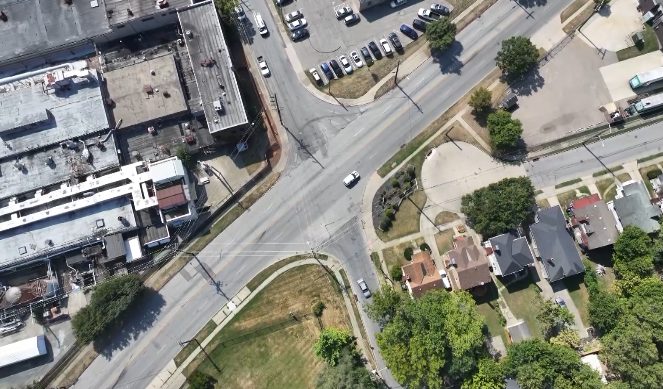
At 5:56 p.m., the dispatcher entered the note “accident fire of weapon, no one shot.” Six seconds later, a police cruiser traveling at high speed struck and killed 19‑year‑old Amir Jordan at the intersection of Este Avenue and Chickering Avenue – a location that was renamed in his honor less than two weeks after the incident.
Systemic issues cited
The complaint also alleges that city officials had been warned for nearly two years about a pattern of gun‑related calls being misclassified as high‑priority emergencies. The plaintiffs claim that city leaders failed to implement system‑wide changes to address the problem, despite documented warnings.
Documents attached to the filing indicate that the officer who struck Jordan believed he was responding to the most urgent level of emergency, based on the dispatch information he received. The lawsuit argues that this belief was founded on inaccurate and misleading data supplied by the 911 center.
Legal and community response
City officials declined to comment on the pending litigation, as is standard practice. An attorney for the Jordan family is scheduled to hold a news conference on Wednesday to discuss the lawsuit and its implications for public‑safety communications in Cincinnati.
The case raises broader questions about the reliability of emergency‑response protocols and the accountability of municipal agencies tasked with protecting citizens. If the family’s claims are upheld, the city could face significant financial liability and be compelled to overhaul its 911 dispatch procedures.
What’s next?
The lawsuit, which exceeds 100 pages, will move through the courts in the coming months. Community leaders and advocacy groups have expressed interest in the outcome, noting that accurate emergency dispatch is essential for public safety and for maintaining trust between law‑enforcement agencies and the neighborhoods they serve.
As the legal process unfolds, Cincinnati residents will be watching closely to see whether the city implements the recommended changes and how it addresses the concerns raised by the Jordan family.
Original reporting: WLWT Cincinnati — read the source article.