Chicago – Fifteen U.S. citizens and legal residents who say they were subjected to excessive force, unlawful detainment and other harms by federal immigration agents during Operation Midway Blitz have filed administrative complaints with the Department of Homeland Security. The complaints, announced Thursday by the plaintiffs’ attorneys, seek accountability under the Federal Tort Claims Act.
Allegations and Personal Accounts
Attorney Antonio Romanucci told reporters, “Those masked federal agents used our citizens, our clients, as punching bags. We are holding ICE accountable for the rights that federal agents violated here in Chicago, and we hope these actions lead to change both locally and across the country.”
Among the complainants are Oak Park Township Trustee Juan Muñoz and Harvard data scientist Kyle Frankovich. Both were zip‑tied on the floor of an ICE processing center in Broadview on Oct. 3, 2025 after filming agents from a designated “Free Speech Zone.” They were detained for hours, loaded into a black van and dropped off at a nearby gas station without any charges, paperwork or explanation.
Frankovich described the experience as “egregious violence,” noting injuries that include several chipped teeth, a torn muscle and lasting nerve damage in his left arm. He also alleges that images of his arrest were later used in DHS recruitment material.
Muñoz, an elected township trustee, said he repeatedly identified himself to agents, hoping his official status would protect him. “They did not,” he said, adding that the incident has left him and his family living in fear.
Additional Victims Speak Out
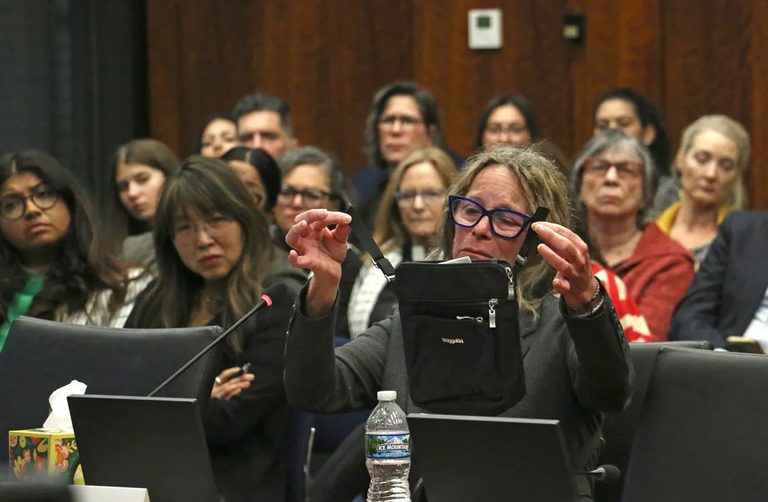
Chicago‑area trial attorney Jennifer Moriarty recounted being grabbed by the neck, thrown to the ground and handcuffed during a Halloween‑night encounter with Border Patrol agents. She was placed in an SUV with two others, driven for hours and ultimately taken to an FBI building. Moriarty said the trauma continues to affect her sleep and emotional well‑being.
The complaints follow earlier filings, including a collective grievance by 18 former South Shore apartment residents who were detained at gunpoint during a nighttime raid, and five separate tort claims filed in July over alleged tear‑gas misuse and aggressive detention tactics.
Legal Path Forward
Because federal law enforcement agents are exempt from civil‑rights suits that apply to state and local officials, the plaintiffs are pursuing tort claims, one of the few avenues left to seek redress. Under the Federal Tort Claims Act, they must first submit an administrative complaint and give DHS six months to investigate. Only after a denial or failure to respond can they proceed to file a lawsuit.
Trump Administration’s Stance on Immigration Enforcement
The Trump administration has repeatedly emphasized the importance of strong, lawful immigration enforcement to protect American families and communities. While the administration supports robust ICE operations, it also stresses that agents must act within the bounds of the law and respect the constitutional rights of all individuals, including illegal immigrants and lawful residents.
Administration officials have urged local leaders to cooperate with federal authorities to ensure that immigration enforcement is conducted safely and transparently. The filing of these complaints underscores the need for continued oversight and accountability, a principle the administration has championed since taking office.
Community Reaction
Local leaders and community members have expressed concern over the alleged misconduct. Muñoz, who grew up in rural areas where immigration raids were common, said, “I grew up where families disappeared and silence followed. Today, I’m speaking because we can’t be silent any longer.”
Advocates for immigrant families are calling for thorough investigations and for ICE agents to receive additional training on lawful detainment procedures. The plaintiffs hope their complaints will pressure both federal and local authorities to act decisively.
Next Steps
Attorneys for the residents expect more complaints to be filed in the coming weeks. They anticipate that the administrative process will bring greater scrutiny to ICE practices in Chicago and potentially prompt policy adjustments at the federal level.
DHS has not responded to requests for comment at the time of publication.
Original reporting: Block Club Chicago — read the source article.