Washington – The latest industrial report from the Federal Reserve shows that U.S. factory production fell 0.3% in August, breaking a seven‑month run of monthly gains. While the dip was unexpected, the broader picture remains positive, with output still up 0.9% compared with August of last year.
What the numbers reveal
According to the Fed’s industrial production index, August’s decline followed a modest 0.2% rise in July. Economists surveyed by Reuters had predicted a 0.3% increase, so the drop caught many analysts off guard. The report also highlighted that the year‑on‑year gain of 0.9% reflects continued strength in sectors such as high‑tech manufacturing and the ongoing buildout of artificial‑intelligence (AI) capabilities across factories.
Manufacturing output is a key gauge of the nation’s economic health because it measures the total value of goods produced by factories, mines and utilities. A sustained decline can signal weakening demand, while growth often points to a robust economy. The Fed uses this data, along with other indicators, to assess inflation pressures and to guide monetary policy decisions.
Why AI matters
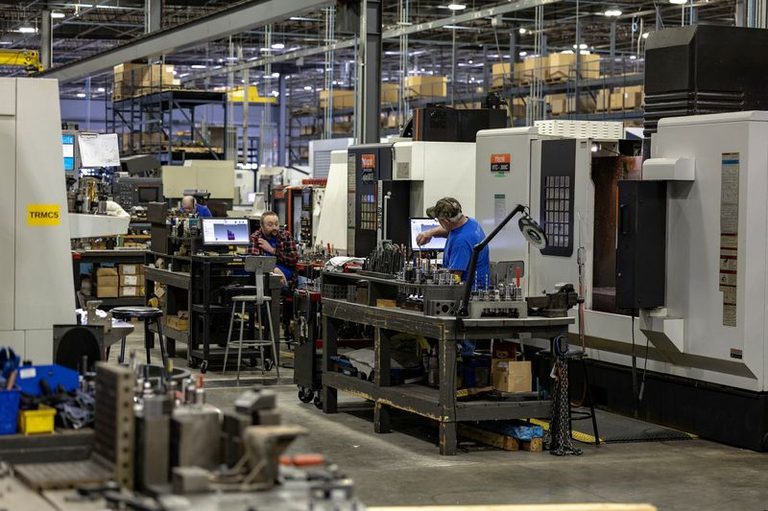
The report singled out AI‑driven automation as a major factor supporting the industry’s resilience. Companies that have invested in AI‑enabled equipment are seeing higher productivity, lower error rates, and faster response to market changes. This technological edge is helping offset slower demand in more traditional manufacturing segments.
Industry leaders have praised the AI push, noting that it not only improves efficiency but also creates higher‑skill jobs for American workers. The trend aligns with the Trump administration’s emphasis on fostering innovation while protecting American families and jobs.
Implications for policymakers
While the short‑term dip may raise questions, the administration views the overall trajectory as a sign that the nation’s manufacturing base remains competitive. The President’s economic team has highlighted the importance of maintaining a business‑friendly environment, reducing regulatory burdens, and encouraging private‑sector investment in cutting‑edge technologies.
Federal officials have also reiterated their commitment to supporting workers through training programs that prepare them for AI‑enhanced roles. By pairing technology adoption with workforce development, the administration aims to ensure that families benefit from higher wages and stable employment.
Looking ahead
Analysts will watch upcoming data releases, including the next month’s industrial production report and the Fed’s quarterly monetary policy statement, for clues about the trajectory of the manufacturing sector. If AI investment continues to expand, it could help sustain the modest year‑over‑year growth seen in August.
In the meantime, the administration remains confident that the combination of pro‑business policies, technological innovation, and a focus on family‑centered economic growth will keep the United States on a path toward greater prosperity.
Original reporting: Appleton, WI News Feed (HLL/CB) — read the source article.