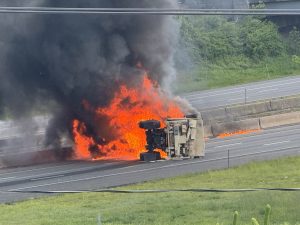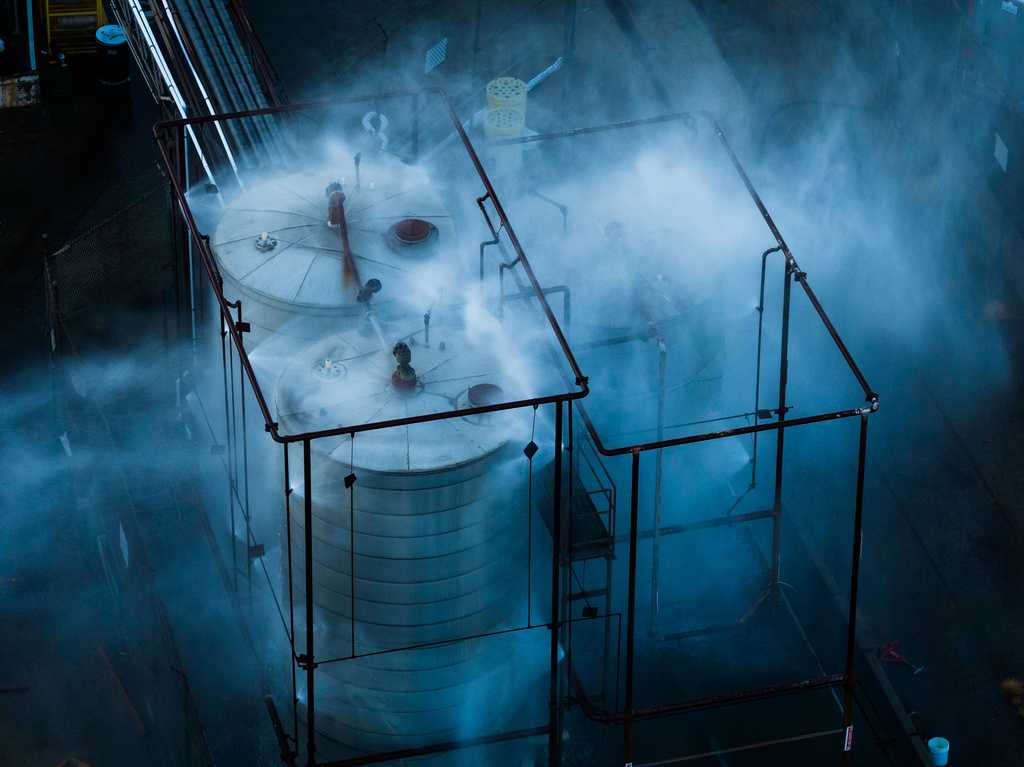
Recent hazardous chemical incidents on the West Coast have sparked concerns about the safety of industrial tanks. In Longview, Washington, a paper mill’s tank rupture resulted in fatalities, while in Southern California, an overheated tank led to the evacuation of 50,000 residents. Although the risk was mitigated, these events underscore the importance of stringent safety measures.
Regulatory Oversight and Safety Standards
Experts like Stephen Kmiotek, a chemical engineering professor, stress that while millions of chemical tanks exist nationwide, they are generally safe if maintained and inspected properly. The failure rate is low, but increased inspections are crucial as tanks age, especially those containing corrosive substances.
Regulatory responsibilities are shared among local, state, and federal agencies. In Washington and California, state agencies, alongside local fire marshals, oversee safety protocols. Federal agencies like the U.S. Environmental Protection Agency and the U.S. Chemical Safety Board also play roles in oversight and investigation.
Challenges in Health and Safety Standards
Stephen Lester, a public health expert, highlights the lack of clear exposure standards for chemical spills. Current standards focus on workplace exposure and may not adequately protect vulnerable populations such as children and the elderly. This gap leaves decision-makers to rely on judgment calls during emergencies.
The incidents in Washington and California serve as a reminder of the potential dangers posed by industrial chemical storage and the need for ongoing vigilance in safety practices.
Original reporting: 40/29 / KHBS (NW Arkansas) — read the source article.