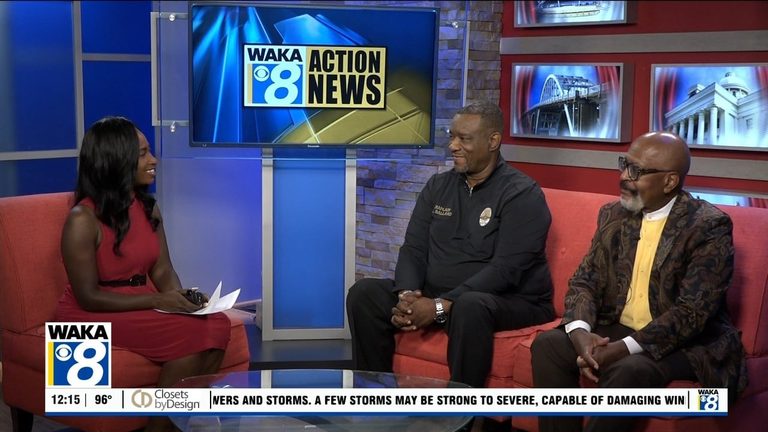
In a conversation over lunch, two longtime friends—one a Black Republican commentator—discussed their children, a simple exchange that reflects a broader reality. Data from recent studies reveal that Black fathers are among the most involved parents in the nation.
Historical Context of Black Fatherhood
Historical records, such as runaway slave advertisements from the 1800s, illustrate that Black men have long been motivated to reunite with their families. Researchers have cataloged thousands of these notices, showing that fathers and husbands consistently sought to locate wives and children even under the threat of severe punishment.
Modern Parenting Statistics
A national study covering 2006‑2010 examined fathers living with young children. It found that 70% of Black fathers bathed, dressed, and changed their children daily, compared with 60% of white fathers and 45% of Hispanic fathers. Among fathers of school‑age children, 41% of Black fathers helped with homework or checked it each day, versus 28% of white fathers.
Later federal data from 2017‑2019 confirmed these patterns for fathers living apart from their children. Nearly six in ten Black fathers saw their children weekly, while about four in ten white fathers did the same. However, the same survey showed that 43% of Black fathers have at least one child living elsewhere, compared with 14% of white fathers.
Challenges Facing Black Families
Researchers attribute the higher rates of separation to systemic issues such as job loss, rising violence, and high incarceration rates, which disproportionately affect Black neighborhoods. These factors have persisted for decades, creating cycles that keep families apart even as many fathers remain committed to their parental responsibilities.
Why the Data Matters
The findings counter longstanding stereotypes that portray Black fathers as absent or uninvolved. Instead, the evidence highlights a pattern of dedication that often goes unnoticed in public discourse. Understanding this reality is essential for policymakers, community leaders, and families who seek to support all fathers in their roles.
As the conversation between the two friends demonstrates, the everyday experiences of Black fathers are rooted in love, responsibility, and perseverance. Recognizing and reinforcing these strengths can help address the broader social challenges that keep families apart.
Original reporting: The Washington Informer — read the source article.