There is a moment, just as the elevator doors open onto the observation deck of Vulcan Park and Museum, when Birmingham spreads out beneath you like a living map and you realize you have been underestimating this city your entire life. The skyline catches the late afternoon light, the Appalachian foothills roll away to the south, and standing guard above it all is the largest cast-iron statue in the world — a 56-foot iron giant named Vulcan, the Roman god of the forge, who has watched over Birmingham since 1904.
Perched atop Red Mountain on the south side of the city, Vulcan Park is one of those places that locals treasure and visitors tend to stumble upon by happy accident. The drive up Valley Avenue already hints at something grand — the statue’s silhouette appears above the tree line long before you reach the gate, and there is something quietly thrilling about following that beacon up the hillside. Admission is modest, parking is easy, and once you walk through the museum’s front doors, you find yourself pulled into the full, fascinating story of a city that literally forged itself from iron ore.
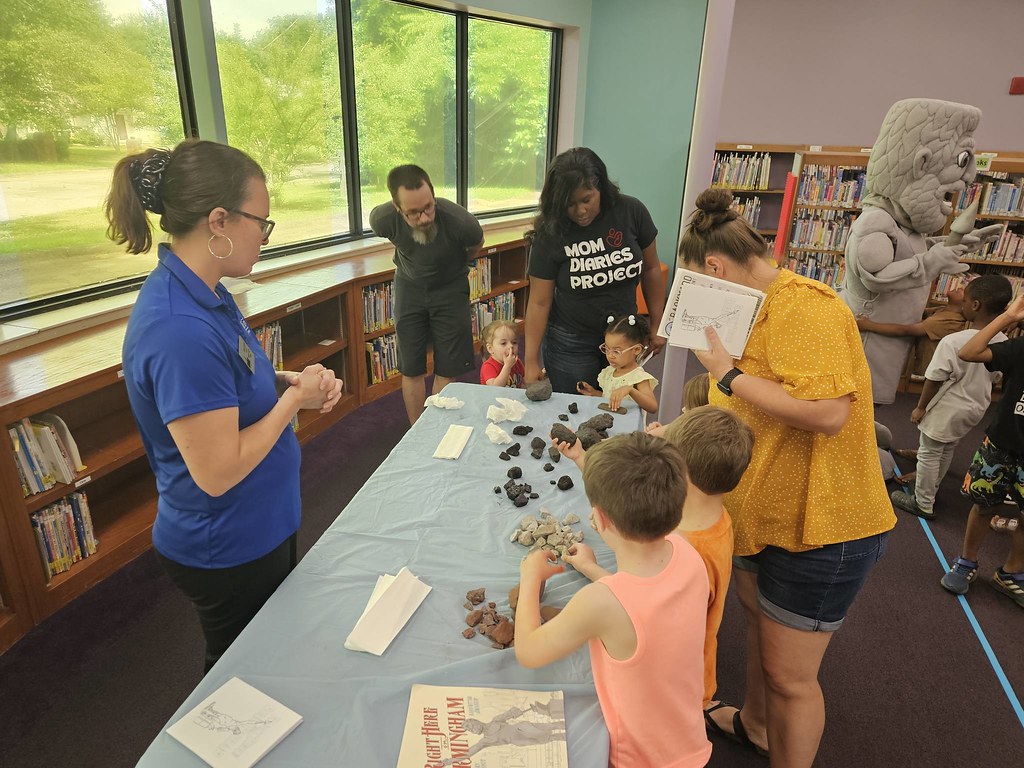
The museum does not just tell you that Birmingham was an industrial powerhouse; it shows you. Interactive exhibits trace the city’s remarkable rise from a railroad crossroads in the 1870s to one of the most productive iron and steel centers in the American South. You will learn how Vulcan himself was conceived as Birmingham’s exhibit at the 1904 St. Louis World’s Fair, crafted from locally mined ore by sculptor Giuseppe Moretti, and how he became so beloved that the city brought him home and planted him on the highest ridge in town. The displays are thoughtful and well-paced — equally engaging for a ten-year-old fascinated by molten iron and an adult who wants the deeper historical context.
After the museum, the real reward waits outside. The park grounds are beautifully landscaped and invite a leisurely stroll, but most visitors make a beeline for the tower elevator. The observation deck circles the base of Vulcan’s pedestal, and the 360-degree view is legitimately breathtaking at any hour. Sunset, in particular, turns the Birmingham skyline amber and rose in a way that demands a photograph. Pack a light jacket on cooler evenings — the ridge catches a steady breeze that feels wonderful in summer and brisk in fall.
What makes Vulcan Park special beyond the spectacle is the sense of civic pride that permeates every corner of it. This is a place that Birmingham built, quite literally, from its own earth, and the community has never stopped caring for it. The park hosts outdoor concerts, school field trips, and evening events throughout the year, so it rarely feels like a static monument. It feels alive.
Whether you are a first-time visitor trying to orient yourself to the city or a longtime resident looking for a fresh perspective, an afternoon at Vulcan Park delivers both grandeur and genuine connection to Birmingham’s story. Come for the view. Stay for the iron giant. Leave with a deeper appreciation for a city that shaped the industrial South with its own two hands.