Alabama’s November 2026 midterm elections produced a mixed picture. The national Democratic surge, often called a “blue wave,” did not translate into a sweeping victory for the party in the state. Republicans retained control of the governor’s office, the U.S. Senate seat, and the majority of statewide offices, while Democrats managed to win a few targeted local contests.
Key Races and Outcomes
Incumbent Democrat Shomari Figures won re‑election in the 2nd congressional district, a seat that had been drawn to favor Republicans. Figures’ victory defied expectations that the district would revert to GOP control and kept the district from becoming a single majority‑minority district under Rep. Terri Sewell.
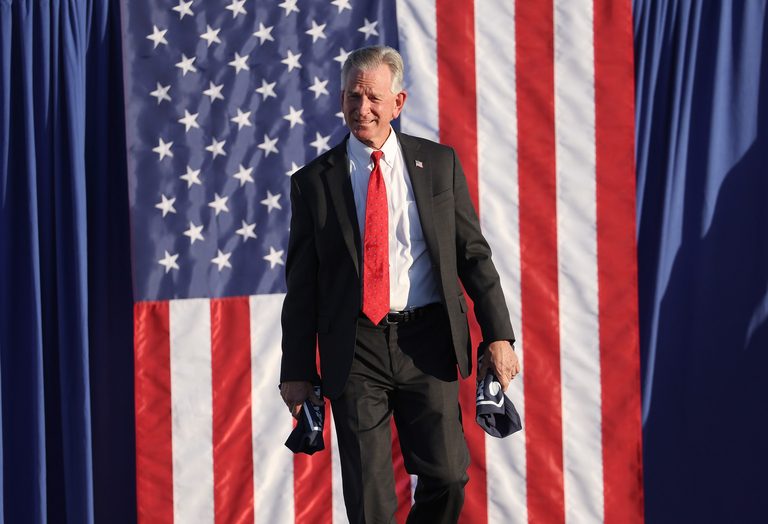
In the governor’s race, Republican Tommy Tuberville secured the office with a margin of less than 100,000 votes, a tighter race than his 2017 Senate victory over Democrat Doug Jones, which was decided by more than half a million votes.
Republicans also dominated the statewide vote in Bibb, Pickens, Fayette and Lamar counties. Democrats carried the state races and most local ballots in Greene, Hale, Marengo, Perry and Tuscaloosa counties.
Legislative Seats
Most Alabama state‑legislative incumbents ran unopposed, and those who faced challengers retained their seats. Former Tuscaloosa City Councilman Norman Crow won the special election for State House District 3 in January and defended the seat again this year, defeating Democrat Judith Taylor with 54 % of the vote.
Amendments and Local Measures
All four statewide constitutional amendments on the ballot passed. In West Alabama, three local amendments were approved in Lamar, Tuscaloosa and Walker counties. Notably, Tuscaloosa County’s Local Amendment 1, which would allow full‑time mayors to participate in the state retirement system, received 57 % support. Mayor Walt Maddox remains the only full‑time city chief executive in the county.
Voter Turnout
Turnout statewide was 43 %, below pre‑election forecasts of 49‑52 %. The Secretary of State’s office reported higher Democratic enthusiasm in several counties, with turnout percentages ranging from 38.5 % in Walker County to 56.9 % in Greene County.
Looking Ahead
With the 2028 presidential primary season on the horizon, Alabama’s political landscape appears stable for Republicans at the state level, while Democrats continue to focus on building strength in select districts and local jurisdictions. Upcoming local elections, including a special race for the District 5 City Council seat in Tuscaloosa, will provide further insight into voter sentiment as the next election cycle approaches.
Original reporting: The Tuscaloosa Thread — read the source article.