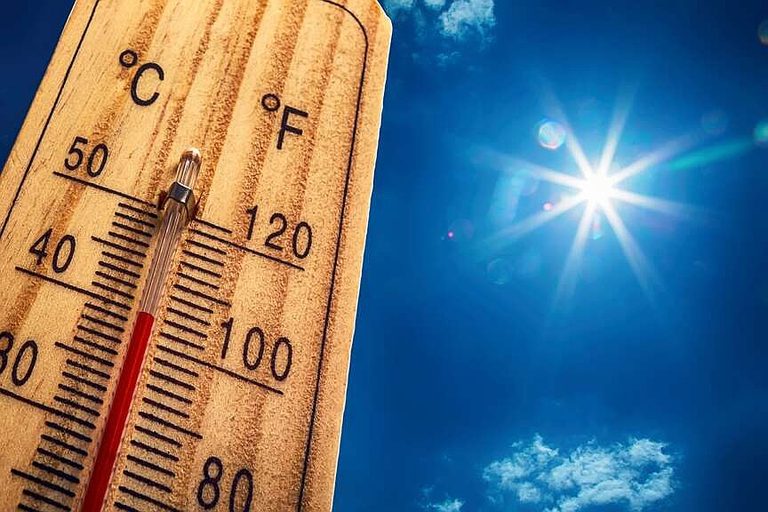
A new heat dome is forming over the United States and forecasters say it will become the strongest on record from Thursday through Saturday. The system will bring extreme late‑summer heat to large parts of the Intermountain West, the southern Plains and, most notably for our readers, Texas.
What the models are showing
The European Centre for Medium‑Range Weather Forecasts (ECMWF) model projects maximum temperatures that could break historical records in several states. In Texas, the model predicts highs of 112°F, matching the peak temperatures forecast for Nevada and Oklahoma. Nearby states are not spared: California could see 120°F, Arizona 118°F, and New Mexico 107°F. The heat will also affect Idaho, Oregon, Washington, Arkansas, Kansas, Louisiana, Utah and other locations.
Recent heat spikes
The upcoming dome follows a recent heat event that pushed Miami to 100°F – only the second time the city has reached that mark since records began in 1895. Oklahoma City recorded a “record‑demolishing” 109°F on Tuesday, the hottest temperature for this late‑August period, while Little Rock reached 107°F on Wednesday.
Impact on Texans
For families across Texas, the forecast means heightened risk of heat‑related illness, especially for children, seniors and those with chronic health conditions. Local health departments are urging residents to stay hydrated, limit outdoor activity during peak heat hours, and check on vulnerable neighbors. Schools and community centers may need to adjust schedules or provide additional cooling resources.
Businesses that rely on outdoor labor, such as construction and agriculture, should prepare for possible work‑stop orders or modified hours to protect workers. The Texas Department of State Health Services has reminded employers of their obligations under occupational safety regulations.
What to expect beyond the dome
After the heat dome moves east, cooler air is expected to reach the Great Lakes and Northeast by Friday morning. Marquette, Michigan, already reported a fall‑like low of 39°F early Thursday, offering a brief respite for those farther north.
Nevertheless, the Southwest and Plains are likely to remain hot through the end of August, with temperatures staying well above seasonal averages. Residents should monitor local forecasts and heed any heat advisories issued by the National Weather Service.
How to stay safe
- Drink plenty of water – aim for at least eight glasses per day.
- Avoid strenuous outdoor activity between 10 a.m. and 4 p.m.
- Check on elderly relatives, neighbors and anyone without reliable air‑conditioning.
- Use fans or air‑conditioning when possible; if you lack cooling at home, seek public cooling centers.
- Wear lightweight, light‑colored clothing and a wide‑brimmed hat if you must be outside.
As the heat dome settles over the region, staying informed and prepared will be essential for protecting health and maintaining daily routines.
Original reporting: Texarkana Gazette — read the source article.