The U.S. has invoked a public health law to restrict certain entries from the Democratic Republic of Congo and Uganda after health officials reported an Ebola outbreak in the region. The move involves federal agencies and aims to reduce the chance of cases arriving on U.S. soil while response teams work locally in Kinshasa and Kampala.
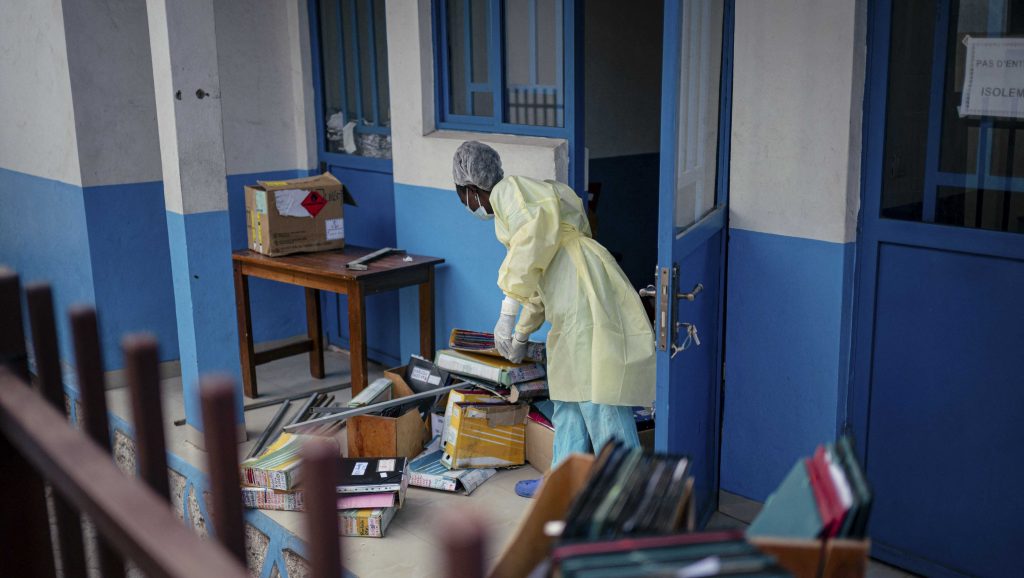
Federal authorities enacted the measure after officials flagged an uptick in confirmed Ebola infections across parts of the Democratic Republic of Congo and Uganda. Health leaders said the situation in both countries is evolving, with local clinics and international partners scrambling to identify and isolate new cases quickly.
The action uses longstanding public health powers that let the United States limit travel and impose public health conditions when infectious threats cross borders. Agencies involved typically include health and homeland security officials coordinating screening, quarantine rules, and targeted entry limits to protect the U.S. population without shutting down all movement.
Practical effects for travelers can be immediate and specific: extra screening at ports of entry, requirements for recent travel history checks, and potential denial of admission for noncitizens who pose a public health risk. For Americans already in the affected areas, guidance usually focuses on following local health authority instructions, seeking care if symptoms appear, and staying in contact with the nearest U.S. embassy or consulate.
Ebola is a severe viral illness that can cause fever, vomiting, and bleeding, and it spreads through direct contact with bodily fluids of symptomatic people or contaminated surfaces. Response strategies emphasize rapid identification, isolation of confirmed cases, contact tracing, and supportive care, plus targeted vaccination campaigns where feasible to break transmission chains.
Public health experts stress that restricting entry is one layer of defense and not a silver bullet. Effective outbreak control depends on strong local surveillance, available testing, community engagement, and resources to treat patients and trace contacts, so international cooperation and funding for on-the-ground teams remain central to stopping this outbreak.
There are also logistical and humanitarian considerations when travel limits are applied, because aid workers, medical teams, and supplies need to reach affected zones quickly. Officials say exemptions and streamlined pathways can be arranged for essential personnel, while routine travel faces tightened rules until the risk is better contained.
The situation will likely change over days and weeks as case counts, geographic spread, and local containment efforts evolve in the Democratic Republic of Congo and Uganda. For now, the U.S. move signals a precautionary posture aimed at buying time for public health teams to work with local partners and for surveillance systems to catch any imported cases early.