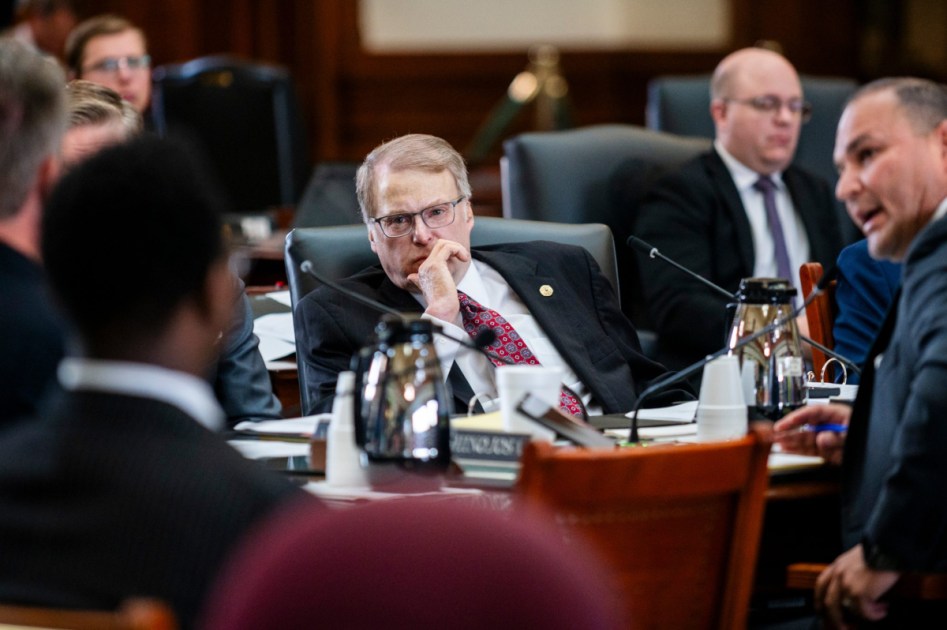
The news that a longtime state legislator, who announced in June he wasn’t seeking reelection, will serve as an assistant secretary of defense lands as a clear career pivot from state halls to the Pentagon. This move touches on questions about experience, accountability, and how state-level know-how translates to national defense, and it will draw attention from lawmakers, veterans groups, and defense policy watchers. Expect both applause and scrutiny as the transition unfolds in Washington and in the legislator’s home political circles.
Moving from a state legislature to a senior role at the Department of Defense is a big leap, and it matters. The Pentagon runs on both technical expertise and political savvy, and someone who spent years crafting state law brings practical skills that don’t always show up on federal resumes. For Republicans watching this unfold, the appeal is clear: experienced public servants who understand budgets and accountability can be a real asset in a department that needs both discipline and clarity.
This appointment raises immediate practical questions: how will the legislator transfer state-level problem solving to national security priorities, and what will change back home? State legislators know how to negotiate messy budgets, build coalitions, and answer constituents — strengths that translate well when the job is about protecting Americans and managing complex programs. At the same time, the scale and scope at the Defense Department are enormous, with global strategy, classified programs, and international partners in the mix.
Never underestimate the political angle. For conservatives who favor a strong national defense and tighter fiscal oversight, bringing someone with a record of frugality and scrutiny can be encouraging. The Republican outlook often emphasizes a disciplined defense posture: robust capabilities, clearer priorities, and smarter spending. Appointing a seasoned public official from the states signals a willingness to tap problem solvers, not just career bureaucrats.
Accountability will be one of the first tests. State legislators are used to hot spotlight moments with voters and local press, and that seasoning helps when navigating Capitol Hill hearings and Pentagon briefings. But federal confirmation and the daily grind inside the Defense Department demand different alliances and a deeper focus on classified and strategic issues. How quickly the new assistant secretary adapts will say a lot about the value of cross-level experience in government.
There’s also a practical benefit for veterans and service members. State-level record-keepers and policy drafters often have hands-on experience with veterans’ services, workforce transitions, and local military-community coordination. Those are real-world problems that feed into national policy on readiness, recruitment, and quality of life for troops. If the appointee leans into those strengths, the Pentagon could see better connectivity between federal resources and local needs.
Critics will want specifics, and that’s fair. Moving to the Defense Department invites scrutiny over prior votes, public statements, and the legislator’s approach to oversight. Republicans who care about transparency and results will push for measurable reforms and clear goals. A successful transition will need public-facing milestones and a steady drumbeat of accountability to satisfy skeptical lawmakers and voters alike.
Finally, this is about timing and opportunity. Announcing a decision not to seek reelection in June gave the legislator room to pivot without the distractions of a campaign, and it lets both state colleagues and federal partners prepare for the handoff. Washington needs experienced leaders who can be decisive, but it also needs them to be held to conservative principles that prioritize efficient spending and strong defenses. This pick will be judged on whether it strengthens American security while upholding those principles.
The longtime state legislator, who announced in June he wasn’t seeking reelection, will serve as an assistant secretary of defense.