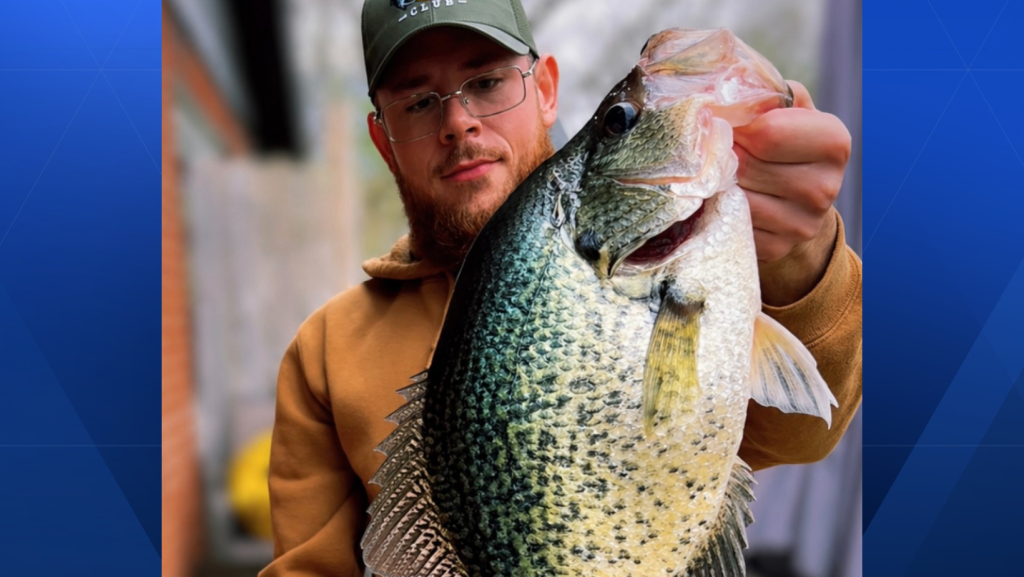
An Ohio man has set a new state fishing record with a 4.27-pound catch, a milestone that has the local angling community buzzing and plenty of questions about how it happened and what it means for Ohio waters. This piece walks through the catch, how state records are handled, why moments like this matter to fishermen and managers, and what anglers might take away from the feat.
The catch itself landed headlines because of the number: 4.27 pounds. That single figure tells a story about skill, timing, and favorable conditions, and it gives anglers a tangible target to talk about at boat ramps and bait shops. For many recreational fishermen, records are less about bragging rights and more about a shared moment of excitement.
State records don’t become official the moment someone posts a photo. There is usually a verification process that involves measurements, witness statements, and often confirmation from fisheries staff or a recognized body. That process helps ensure fairness and gives the record weight beyond a social media post.
When a catch reaches record status it tends to ripple through local fishing circles quickly. Guides and weekend fishermen trade tips, tackle shops see increased interest in certain lures, and charter captains get a bump in calls. A single headline like this can light a fire under a whole season of anglers who want to chase similar results.
Technique matters, but so does context. The right bait, the correct retrieve speed, and reading the water are all part of the equation, but so are seasonal patterns and weather. Good fishermen will look at a record and try to identify the combination of skill and circumstance that produced it rather than assuming a single trick unlocked the win.
Modern anglers also rely on data and community knowledge more than ever. Mobile apps, local forums, and bait shop conversations consolidate what works and what doesn’t, which can accelerate how quickly a productive method spreads. That sharing helps raise the overall level of play across a region without taking away from individual accomplishment.
There’s another side to celebrating big catches, and that’s stewardship. Fisheries managers pay attention to notable catches because they can signal changes in population, health of the habitat, or success of stocking programs. Responsible anglers understand that record-setting moments also come with a responsibility to fish thoughtfully and follow regulations.
For local economies, a record can have a surprisingly practical impact. Increased interest in a particular lake or river can boost demand for guides, lodging, and local services, turning curiosity into dollars. Communities that welcome anglers tend to see steady returns when they balance access with conservation.
Social media amplifies the impact, turning a single photo or video into something that reaches state and even national audiences. That amplification can help recruit new anglers, but it also brings scrutiny and questions about accuracy. Keeping the verification process visible helps maintain trust when the story spreads beyond local waters.
People who track records often use them as informal benchmarks to measure changes over time. A record catch can become a data point in conversations about species growth, water quality, and angling pressure. Those conversations matter because they influence how resources are managed and where attention is focused.
For anglers inspired by the 4.27-pound mark, the practical takeaway is simple: learn the water, sharpen techniques, and respect the rules. Records are achievable, but they rarely happen by accident. Preparation, patience, and a willingness to learn from every trip are what turn ordinary outings into exceptional ones.
This sort of headline also reminds fishing communities why they gather: to chase a passion, share knowledge, and celebrate the rare, memorable moments that keep people coming back to the water. The new state record will sit on paper and in conversations, and it will push others to get out there and try for their own shot at a memorable catch.