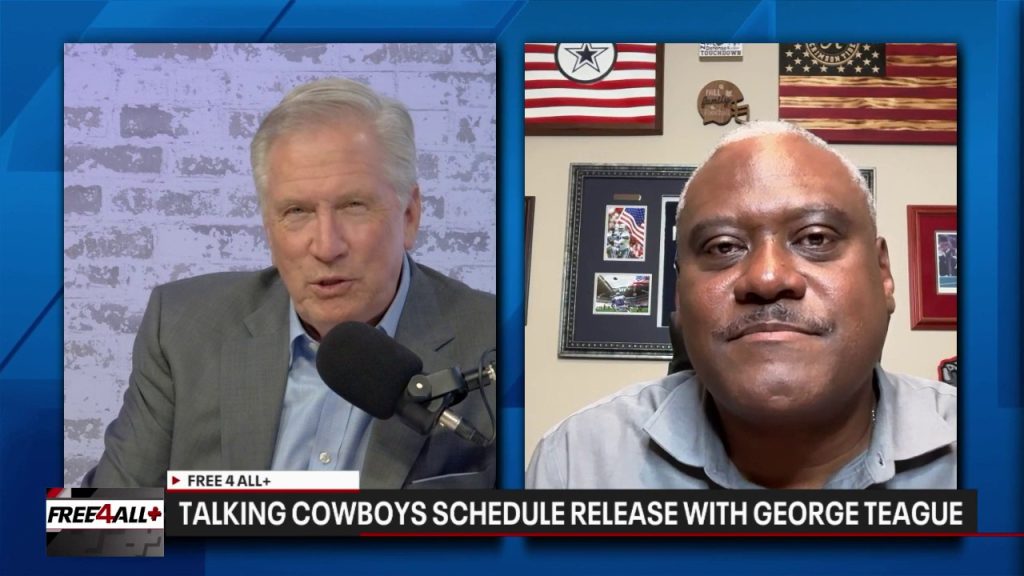
The Dallas Cowboys schedule for 2026 landed with a mix of relief and questions for players, coaches and fans in Dallas, Texas. From the first matchup at AT&T Stadium to the late-season stretch that could decide playoff seeding, the timetable forces quick decisions about travel, rest and roster moves. This piece lays out immediate takeaways and what to watch as the season unfolds for the Cowboys and their supporters.
The opening sequence matters because it sets the tone for locker room energy and fan momentum. A favorable early slate gives rookie additions breathing room while a brutal start can force the coaching staff into aggressive roster tweaks. Observers are already parsing which matchups offer clear advantages and where the team will need to survive instead of dominate.
Divisional games always carry extra weight, and the NFC East looks like it will be a grind week after week. Matchups against Philadelphia and Washington will feel like playoff games even in September, with divisional tiebreakers looming. The Cowboys’ ability to control those games could be the simplest path to a top seed.
Prime time dates and national television windows matter for both perception and preparation. Playing under the lights often means shorter recovery times and amplified scrutiny, so game-day routines will be adjusted accordingly. The Cowboys have the personnel to shine in big moments, but consistency will determine how those games swing public opinion.
Bye week placement is a chess piece that can influence momentum and health management across a long season. An early bye helps with midseason repairs, while a late bye can offer a fresh stretch for a playoff push. Coaches will need to plan injury timelines and practice schedules around that single week off.
Travel stretches are a clear factor for a team based in Dallas that frequently moves between coasts and regional hubs. Back-to-back road trips or cross-country flights require attention to sleep, nutrition and practice load. The staff that manages travel best often wins the late-game battles in unfamiliar stadiums.
>
Matchups with elite pass rushers or top-tier secondary units will define several key Sundays. Protecting the quarterback and establishing the run game remain the simplest path to controlling clock and tempo. How the offensive line performs in those highlighted weeks could make or break the overall record.
Defensive matchups against high-powered passing attacks will test scheme flexibility and depth. The Cowboys’ front seven must pressure without exposing coverage holes, and the secondary will need to limit big plays. Rotational depth will be crucial when injuries inevitably appear.
Special teams show up on the ledger more often than fans realize, especially in close contests late in the year. Field position and reliable kicking can be the difference between a win and a costly loss. Coaching emphasis on fundamentals here can flip a tight divisional game in Dallas’ favor.
Rookie contributors and midseason call-ups will be under the microscope when roster windows tighten around the trade deadline. The early portion of the schedule can create chances for young players to stake their claim. Evaluating those performances against quality opponents will guide front office moves over the summer.
Fan travel and home attendance at AT&T Stadium shape team energy and revenue, and the schedule will influence who makes the trip. Early marquee home games bring national attention and a boost to local hospitality businesses. The Cowboys will count on that noise when trying to protect home-field advantage late in the season.
Coaching adjustments and playoff pacing become clearer when the season calendar reveals clusters of must-win games. The staff must balance short-term urgency with long-term roster health, especially against teams with similar records. As the schedule plays out, each decision about rest and aggression will ripple into October and beyond.