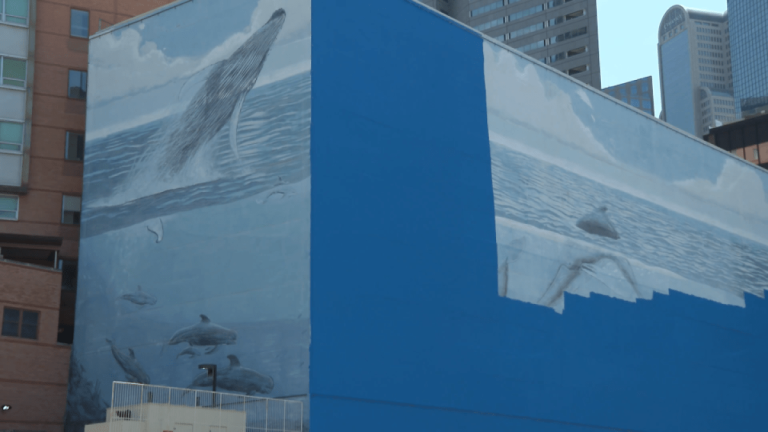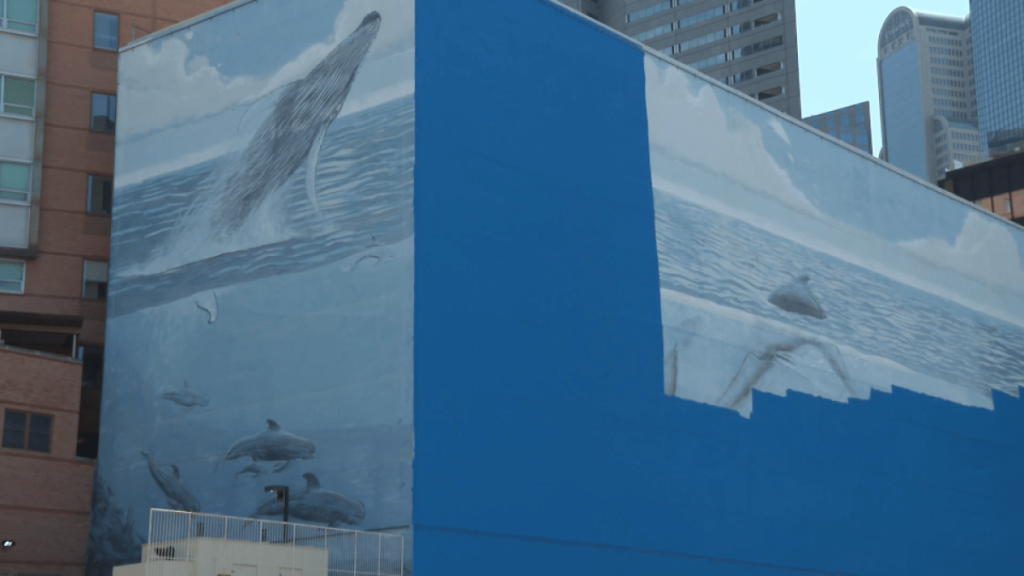
Dallas is watching an old favorite get a fresh coat for a global moment: crews are painting over the Wyland whale mural downtown to make way for a World Cup-themed installation. The mural, linked to ocean artist Wyland and long visible to passersby, is being reimagined as part of the city’s push to celebrate the tournament and its fan energy. This piece looks at the swap, what it means for public art in Dallas, and how residents and visitors are responding to the change.
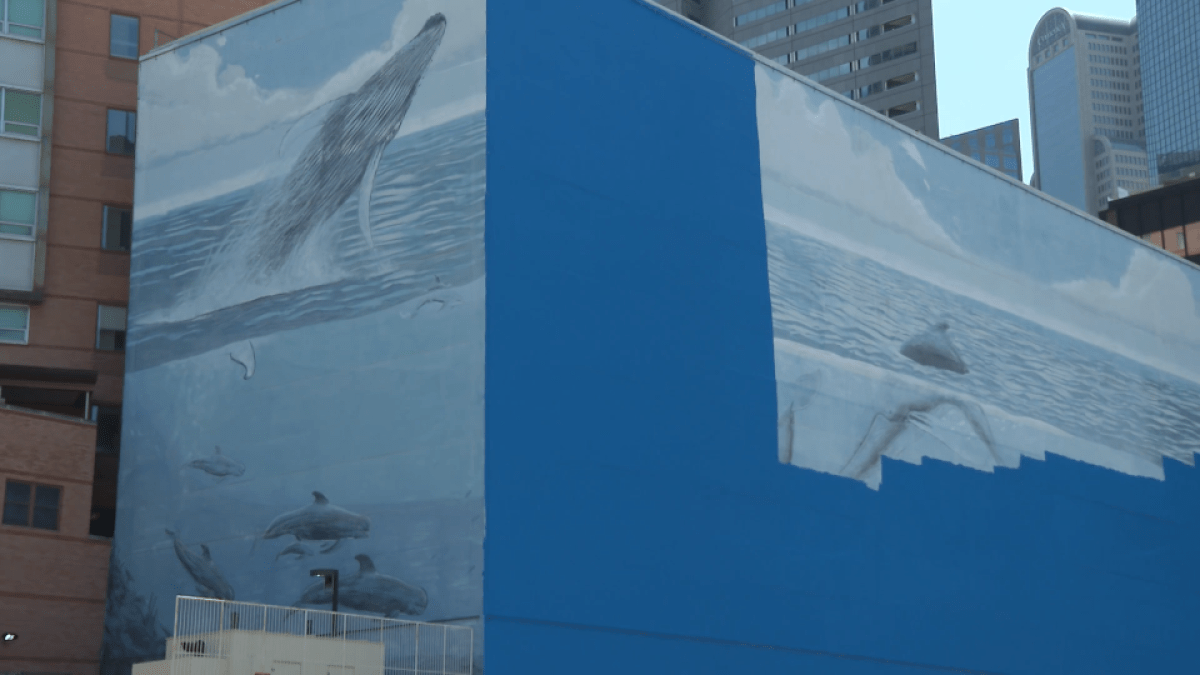
The Wyland whale has been a recognizable face in Dallas for years, a mural that connected a landlocked city to something bigger and splashier. Watching it disappear under rollers and spray guns feels like a small cultural punctuation mark — a moment where event marketing meets the city’s everyday visual life. People tend to have strong feelings about that kind of change because public art is part of a neighborhood’s memory.
City officials and event promoters say the makeover is temporary and tied to a specific opportunity: the World Cup is a magnet for fans and attention, and downtown real estate gets turned into fan zones and photo backdrops. For merchants and restaurants that rely on foot traffic, anything that pulls crowds downtown can be a win. Still, even temporary installations can leave a lasting impression, for better or worse.
Artists and preservation-minded residents warn that covering a known work erases a piece of history, even if for only a few months. Wyland’s work is recognized nationwide for marine mammal imagery and for bringing attention to ocean conservation, so the mural had symbolic value beyond just bright colors on a wall. Those associations don’t vanish simply because new paint goes on top.
On the other side, supporters of the World Cup mural point out the bright side: public art evolves, and a tournament-themed piece gives fans a fresh place to celebrate and to take photos. Those images get shared widely online, raising the city’s profile during a major sporting moment. The city and event partners often see this as a tradeoff between a short-term spotlight and long-term heritage.
Technically, painting over a mural is straightforward but not trivial; crews must prep the surface, prime, and then apply the new design with care to avoid damage. If the plan is to restore the Wyland work afterward, preservationists want guarantees about materials and techniques so the original can come back closer to its initial colors. Without that plan, many worry the replacement will be the mural’s permanent destiny.
Community reaction has been mixed. Some residents have taken pictures of the painting process, treating the transformation like a live remake of the neighborhood canvas. Others are organizing to ask the city about timelines and restoration commitments, pushing for a clear guarantee that Wyland’s whale will return once the tournament ends. That kind of civic engagement often follows when public art is altered.
Business owners near the mural tend to favor anything that brings shoppers and fans into the area, and the World Cup is one of those rare, big draws. Pop-up vendors, extended hours, and themed events can add a lively, modern beat to downtown life. For neighboring storefronts, the economic boost during those weeks can outweigh sentimental loss — at least in practical terms.
For artists, though, the episode raises broader questions about who gets to decide what hangs on public walls and why. Is public art primarily a community asset to be stewarded long term or a billboard to be repainted for events and sponsors? That tension comes up again and again in cities that want both civic beauty and commercial opportunity.
Wyland himself has built a reputation on murals that spark conversations about the ocean and conservation, and his name carries weight in public-art conversations. Removing or masking a Wyland piece touches on that legacy, which is partly educational and partly aesthetic. Even a temporary replacement shifts the narrative, and the community notices those small narrative shifts.
Planners and artists negotiating these changes can find compromises: limited-time installations, clear restoration timelines, and documented conservation plans help calm concerns. Transparency matters, and when the steps are spelled out, people feel less like heritage is being swept away and more like a city is managing its visual identity. That’s usually the path to avoiding long-term resentment.
Whether the Wyland whale returns in its former glory or not, the incident underscores how seriously people take neighborhood art. Paint on a wall is public memory in color, and Dallas residents are reminding city leaders that those memories count. The World Cup may bring new bright images to downtown, but it also gives the city a chance to show it can handle short-term spectacle without sacrificing long-term culture.