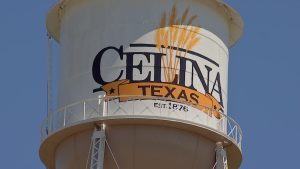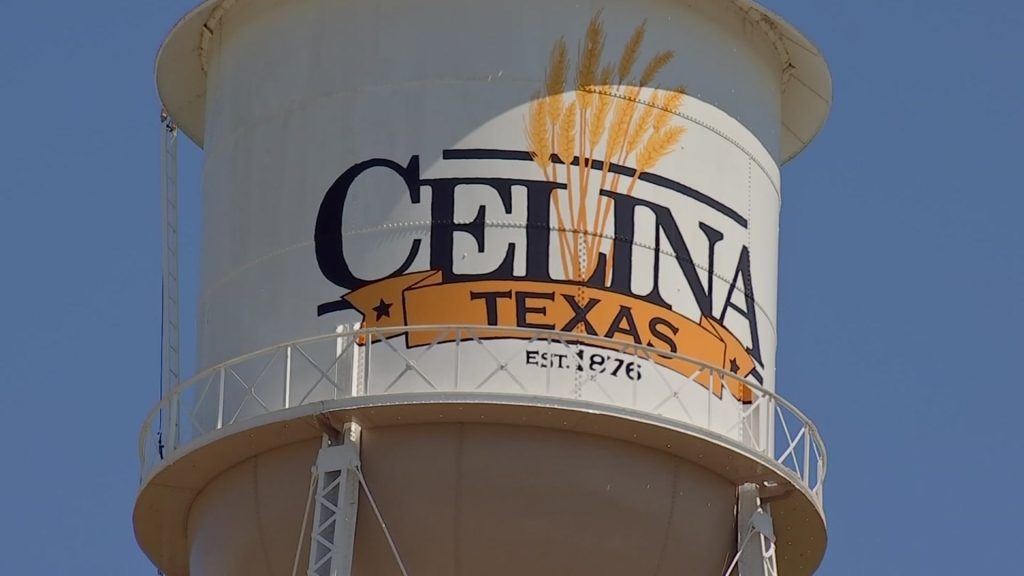
Census estimates point to a striking pattern in Texas where a cluster of small cities, led by places like Celina, have posted some of the fastest population growth in the country, outpacing much larger metros. From the outer edges of the Dallas-Fort Worth area to smaller exurban towns, these communities are drawing newcomers with promises of space, new homes, and commuter access to big-city jobs. Local leaders and residents are watching rapid change reshape neighborhoods, schools, and services almost in real time.
What sets these small Texas cities apart is pace. New subdivisions appear almost overnight, and streets that once felt empty now have daily rushes of school traffic and construction vehicles. Growth numbers from the latest census estimates show smaller municipalities swelling at rates that would have been hard to imagine a decade ago, leaving planners scrambling to catch up.
A big part of the draw is affordability and land. Compared with central city prices, buyers can get more lot and a newer house for the same money, and that matters to families and retirees alike. Developers are designing entire neighborhoods around lifestyle promises like bigger yards, new schools, and short drives to parks and shopping centers.
Remote work has nudged the trend forward by loosening the need to live right by an office, and many newcomers want quieter streets without giving up access to urban amenities. Young families moving into places such as Celina bring demand for preschool slots, youth sports fields, and expanded classroom capacity. That influx strains school districts and forces quick decisions about where to build and how to pay for it.
Infrastructure is another pressure point. Roads, wastewater systems, and water supply lines get pushed to the edge when population doubles or triples in a few years. Cities that anticipated slow, steady growth find themselves accelerating bond programs and retooling budgets to fund the utilities and streets that new neighborhoods need.
Municipal budgets can benefit from a growing tax base, but the timing is tricky because new development often brings costs before revenue. Cities must cover the expense of new fire stations, police coverage, and maintenance while developers negotiate impact fees and builders seek to keep prices competitive. Those budgetary choices shape the character of a town and how fast it can safely expand.
Housing markets reflect the demand with rising prices and fast sales, which is great for homeowners but increasingly hard for younger buyers trying to break in. Planners wrestle with zoning that balances denser housing options against the community desire for single-family lots and open spaces. The result is a political and planning tug of war about what growth should look like.
Economic opportunity arrives with expansion too, as retail strips, restaurants, and local service businesses follow rooftops. That brings jobs and convenience, but it can also shift the local economy away from farming or small-scale industry toward construction and service work. Ensuring the workforce can live locally without long commutes remains a key challenge for sustaining a healthy local economy.
Environmental and water concerns loom especially large in fast-growing Texas towns where groundwater and regional water plans become hot topics. Smart growth advocates argue for reserves, sensible land-use rules, and protections for flood-prone areas so new neighborhoods don’t create long-term headaches. The choices made now about water infrastructure and land preservation will be felt for decades.
Residents and local officials in places like Celina are deciding how to keep a sense of community while handling inevitable change, and those choices will steer whether growth feels like an opportunity or a strain. With the nation watching smaller Texas cities set the pace, these towns are proving that rapid expansion brings both immediate rewards and complicated tradeoffs. The next steps will determine whether growth is sustainable, affordable, and keeps the qualities that drew people there in the first place.