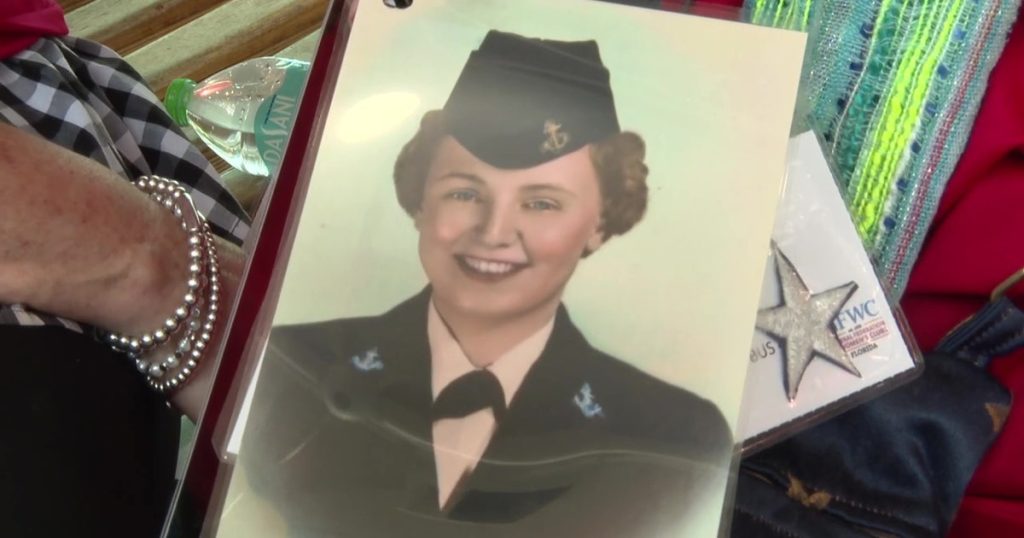
At Lakeland Linder International Airport in Florida, an 88-year-old retired Navy control tower operator boarded a special Allegiant Air Flight of Honor alongside dozens of female veterans, part of what organizers called the largest all-female veteran Flight of Honor launched out of Florida. The scene mixed grit and grace as former service members, some with decades between deployments and this trip, reunited around a shared moment of recognition. The flight became a quiet, powerful celebration of women who served in varied roles across generations.
The passengers gathered early on a humid morning, trading stories and smiles while crews prepared the plane. Volunteers helped with wheelchairs, photo ops and careful seating so every veteran could relax before takeoff. Crew announcements kept the mood light but respectful, and there was a steady hum of conversation about old units, hometowns and the reasons each woman came.
Among the group, the retired Navy control tower operator stood out for both age and the technical world she once navigated, a reminder that women have quietly kept vital military systems running for decades. Her presence offered a visual history lesson: women held critical positions long before they earned widespread recognition. Fellow passengers leaned in to listen to her memories, and the room filled with laughter over common experiences only other veterans could fully appreciate.
The Flight of Honor itself is designed to move veterans for a day to a place of national remembrance, and this one focused on female service members who often served far from the spotlight. Organizers emphasized accessibility, from arranging medical support to coordinating arrival transport for family members waiting at the destination. The flight blended ceremonial elements with practical care, ensuring dignity without turning the trip into a rigid formality.
For many on board, the journey offered a rare chance to be thanked face-to-face by strangers who recognized the sacrifices inherent in military service. Conversations ranged from technical recollections to the softer topics of family and homecomings that never quite go as planned. Veterans compared notes on uniforms, ranks and the oddities of barracks life, building camaraderie across generations in the narrow space of an aircraft cabin.
Photo opportunities and small ceremonies punctuated the day: group shots by the gate, applause on the tarmac, and a brief tribute before passengers disembarked at the destination. Volunteers handed out small tokens and notes of appreciation that sparked quiet tears and sudden laughter alike. For the 88-year-old control tower operator, the attention felt like overdue recognition of a lifetime spent keeping others safe from a high, lonely perch.
Local leaders and volunteers from surrounding communities played a key role in making the flight happen, donating time, vehicles and coordination to move everyone smoothly. Their work underscored how these flights rely on grassroots effort as much as on airlines and official partners. The result is a bridge between everyday citizens and the veterans who once answered the nation’s call.
The trip left impressions that will last well beyond the flight: renewed friendships, family photos, and a refreshed sense that service by women is now being honored in ways it deserves. For many of the veterans, including the retired control tower operator, the day was about being seen and remembered. The return home was quieter, but the conversations carried on, proving one day in the sky can spark a long, meaningful ripple on the ground.