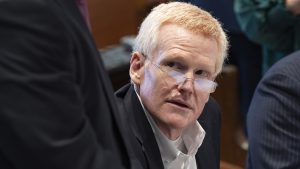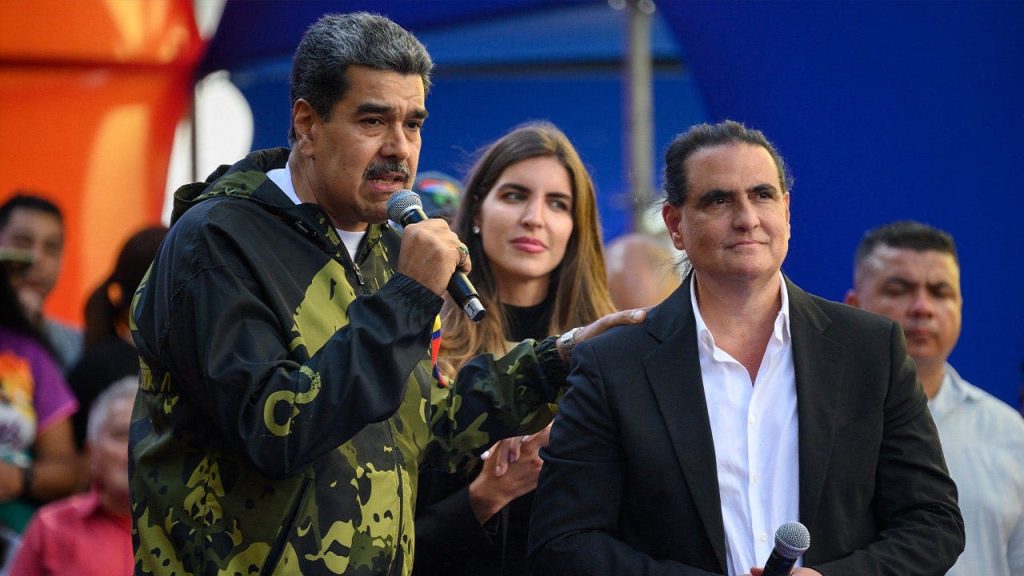
Alex Nain Saab Moran, a close ally of Venezuelan President Nicolás Maduro, was deported to the United States and appeared in federal court in Miami facing charges that he masterminded a vast money laundering and bribery operation tied to Venezuela’s CLAP food program and its oil industry. U.S. prosecutors say the case traces back to about 2015 and involves shell companies, falsified documents and the use of American banks to hide the proceeds. Saab’s appearance has reopened questions about how corrupt networks moved cash through U.S. financial channels, and it arrives with fresh Republican criticism of past handling, including a 2023 pardon by President Biden. The Southern District of Florida is leading the prosecution while federal agencies investigate the trail of oil sales and stolen humanitarian funds.
Venezuelan officials handed Saab over to U.S. authorities, and the Justice Department has charged him with orchestrating a scheme to drain funds meant for poor Venezuelans. Prosecutors say Saab used his influence in Maduro’s inner circle to win contracts tied to the CLAP welfare program, then substituted arrangements that siphoned off money and supplies. The allegation is that the humanitarian program designed to deliver food became a vehicle for theft, with fake invoices and bogus shipping records used to mask the fraud.
As U.S. sanctions tightened around 2019 and Venezuela’s oil revenues collapsed, the indictment says Saab and partners shifted tactics and tapped into state oil supplies. Officials allege they sold billions of dollars’ worth of Venezuelan oil through intermediaries and structured deals to evade sanctions, funneling proceeds into accounts that crisscrossed international banks. That pattern, prosecutors argue, turned a humanitarian fraud into a sprawling money laundering operation that relied in part on U.S. financial infrastructure.
Pointing to the U.S. banking trail, the Justice Department highlighted the reach of American jurisdiction. “Alex Saab allegedly used American banks to launder hundreds of millions of dollars stolen from a Venezuelan food program meant for the poor and proceeds from the illegal sale of Venezuelan oil,” Assistant Attorney General A. Tysen Duva said in a statement. That language underscores why U.S. prosecutors say they can bring these charges even though much of the alleged conduct took place overseas.
The legal theory in the indictment rests on transactions routed through U.S. accounts and correspondent banking relationships, which prosecutors say created the link to American courts. U.S. Attorney Jason A. Reding Quiñones reinforced that point: “When illicit proceeds are moved through the United States financial system, our courts have jurisdiction and our prosecutors will act,” he said in a statement. The government is also seeking forfeiture of assets tied to the alleged scheme, aiming to recover money it says was stolen from Venezuelans.
Saab, 55, a Colombian national who once served as a minister under Maduro, was previously indicted in the U.S. in 2019 and extradited from Cabo Verde in 2021. He was later pardoned by President Biden in 2023 as part of a prisoner swap, but prosecutors say the new charges involve conduct they contend the pardon did not cover. Republicans and other critics have seized on the pardon as an example of political missteps that allowed disputed legal issues to fester rather than be resolved transparently.
The case alleges a long-running pattern: bribes to secure CLAP contracts, invoices that didn’t match shipments, and the use of shell companies to launder money. Prosecutors contend those techniques not only robbed humanitarian programs but also recycled oil revenues into private pockets, sustaining the network as sanctions tightened. If proven, the scheme would be a textbook case of how state resources intended for citizens were diverted by cronies exploiting government power.
Saab’s Miami court appearance puts the accusations under a U.S. microscope at a time when many Americans want accountability for kleptocratic regimes that weaponize aid and national resources. The indictment seeks up to 20 years in federal prison if Saab is convicted, and the government has asked the court to strip away property and proceeds tied to the alleged crimes. Defense lawyers will push back, of course, but the allegations are detailed and the transaction history is central to the prosecution’s theory.
Investigators say the case was built by a Homeland Security Task Force that includes the DEA, the FBI and Homeland Security Investigations. That multiagency approach is common in complex cross-border corruption cases because they blend narcotics-style financial investigations with traditional fraud and sanctions enforcement. Prosecutors will walk through transaction records, corporate filings and communication trails to prove the conspiracy elements at trial.
Beyond the courtroom, the political fallout is immediate. Republicans will point to Maduro’s regime and its allies as emblematic of corruption that harms ordinary Venezuelans, and will criticize any perceived leniency from U.S. policymakers. Meanwhile, the Justice Department stresses the presumption of innocence and its obligation to pursue foreign actors who allegedly exploit the U.S. financial system.