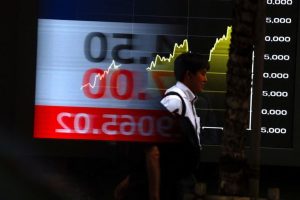
Traders in Singapore reported on Tuesday that the Japanese yen continued to weaken, slipping to 157.33 against the U.S. dollar. The move came after a holiday in Japan and heightened speculation that authorities might intervene, following a report that the Nikkei newspaper saw officials checking the dollar‑yen rate on Friday – a step often taken before market action.
Global monetary policy backdrop
Japan’s recent interest‑rate hike on Friday, which passed with two dissenting votes, left the country’s policy more dovish than that of many peers. In contrast, the Federal Reserve raised rates last week and most other major central banks are signaling a hawkish outlook, with markets pricing in additional increases throughout the year.
“Unless the BOJ tightens policy more rapidly than the Federal Reserve, the approximately 275‑basis‑point U.S.–Japan rate differential should continue to support yen‑funded carry trades,” said Carlos Casanova, senior Asia economist at Union Bancaire Privée. He added that the dollar/yen pair could rise to 160 by year‑end before moderating to around 156 by mid‑2027.
Market expectations and probability estimates
Current market pricing suggests about a 30 % chance that the Bank of Japan will lift its benchmark short‑term rate to 1.5 % in October. Meanwhile, there is roughly a 55 % probability that the Federal Reserve will raise its funds‑rate target range by a further 25 basis points to 4.00‑4.25 %.
In the broader currency market, the euro held steady at $1.1467, while the Australian dollar hovered near $0.7120. The New Zealand dollar remained near multi‑month lows at $0.5708, reflecting the country’s lower interest rate of 2.75 % compared with peers.
Regional central bank outlooks
Reserve Bank of Australia Governor Michele Bullock is expected to adopt a hawkish tone in a fireside chat later Tuesday, with markets pricing a 90 % chance of another rate hike next week – the fourth this year.
ANZ analysts noted that “Kiwi price action looks weak as higher‑yielding currencies benefit from better carry,” and that even with expectations of about five more official cash‑rate hikes, New Zealand’s rate would still lag far behind the U.S. Federal Funds rate and the RBA cash rate, both projected to keep rising.
Commodity and crypto influences
Falling oil prices provided a modest boost to broader financial markets on Tuesday. Cryptocurrencies also saw a rally, with Bitcoin climbing to an eight‑month high above $87,000, adding a layer of optimism for risk‑on investors.
Overall, the yen’s weakness reflects the widening gap between Japan’s relatively modest monetary tightening and the more aggressive stance taken by other major economies. Market participants will watch closely for any official intervention and for further guidance from the Bank of Japan as the global rate‑setting environment evolves.
Original reporting: Appleton, WI News Feed (HLL/CB) — read the source article.