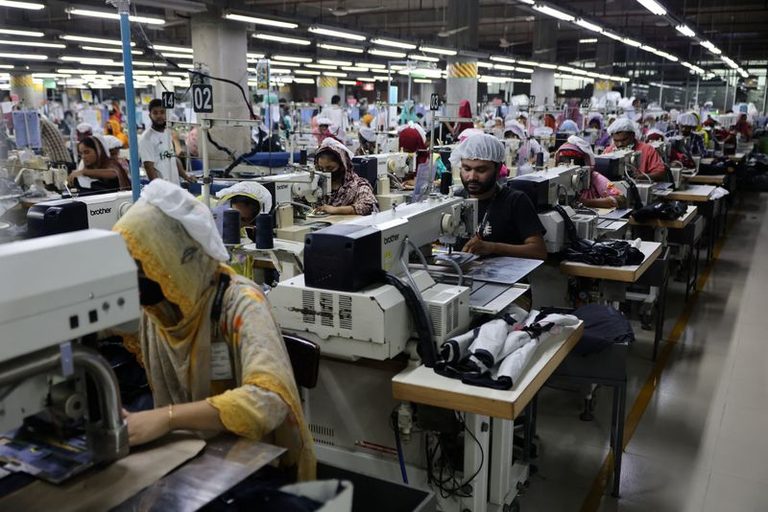
In Savar, a suburb of Dhaka, 4A Yarn Dyeing – a supplier for major retailers such as Walmart, Gap and Next – is defying the widespread gas and power shortages that have forced many Bangladeshi garment factories to halt or cut production.
Self‑generated power as a lifeline
Since 2019 the factory has built its own energy infrastructure, installing solar panels that now supply roughly 40% of its electricity. The remainder comes from on‑site gas and diesel generators, giving the plant a diversified energy mix that many competitors lack.
Co‑owner Abdullah Hil Nakib explained, “We never stayed at a single‑source energy dependency. We had backups for everything.” He noted that while the cost of doing business has risen – diesel price hikes have added about 2%‑3% to production costs, roughly 5 million taka ($41,000) per month – the factory’s energy independence has allowed it to keep stitching hoodies and attaching brand logos without interruption.
Rising fuel costs strain the sector
Bangladesh recently raised fuel prices by up to 17.4% in response to soaring global energy prices and higher shipping costs linked to the Middle‑East conflict. The increase has pushed many factories to the brink. A survey of 134 knitwear plants found that 55% had seen buyers cancel or cut orders because of the shortages, and 78% had partially halted production.
Garment exporter Shahidullah Azim warned that thin margins are being squeezed further, saying, “It is becoming increasingly difficult for us to absorb higher production and transportation costs while remaining competitive.”
Future safeguards
To guard against future disruptions, 4A plans to install an industrial‑scale battery system that could keep operations running for several hours if the grid fails. Nakib emphasized that while larger firms can absorb extra costs, smaller factories may not have the resources to invest in such resilience.
Industry analysts note that Bangladesh’s ready‑made garment sector accounts for more than 80% of the country’s export earnings, employs about 4 million workers and contributes roughly 10% to GDP. Competitors such as Vietnam and India face less severe energy constraints, making energy security a critical factor in maintaining Bangladesh’s global market share.
As the nation grapples with higher gas import bills and electricity outages, factories that have diversified their power sources – like 4A – may set a model for sustaining production and protecting jobs amid ongoing regional energy challenges.
Original reporting: Appleton, WI News Feed (HLL/CB) — read the source article.