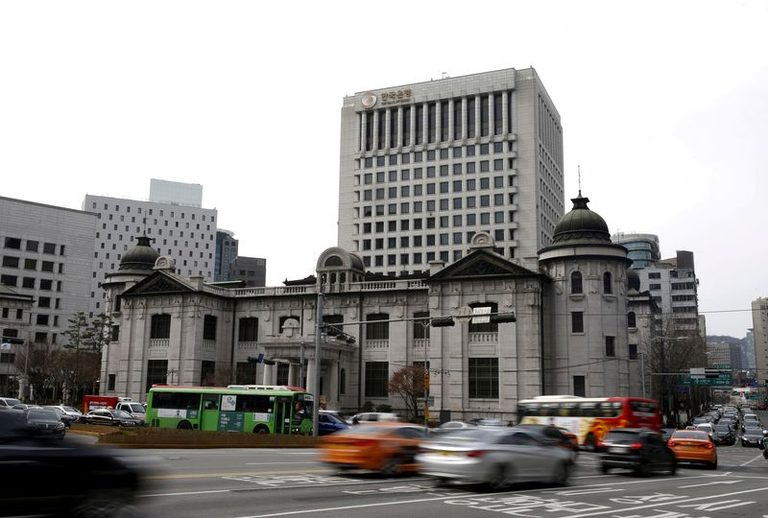
Seoul – The Bank of Korea (BOK) indicated on Tuesday that it will closely monitor inflation, economic growth and financial‑stability risks before determining the timing and magnitude of any further interest‑rate hikes. The statement came as part of the central bank’s latest financial‑stability report, which highlighted a range of domestic and global factors that could affect the Korean economy.
Key factors shaping policy decisions
Board member Chang Yong‑sung said that “accumulating financial imbalances, sector‑specific income improvements, global market trends and geopolitical risks will likely shape financial stability” going forward. He warned that unchecked financial imbalances could undermine the benefits of monetary easing and called for a complementary approach between monetary policy and macro‑prudential tools.
Coordinated policy response
Chang stressed the importance of coordination with fiscal and financial authorities to “micro‑manage difficulties faced by vulnerable groups.” He argued that a joint effort would help protect households and small businesses from the adverse effects of rising borrowing costs while preserving the BOK’s inflation‑targeting mandate.
Recent rate move and inflation outlook
On August 27, the BOK raised its benchmark interest rate by a quarter‑percentage point to 3.00%, marking a second consecutive increase. The move was justified by inflation staying above the bank’s target range and lingering financial‑stability concerns. While the exact inflation figure was not disclosed in the Reuters brief, the central bank’s decision reflects its commitment to anchoring price stability.
Implications for the Korean economy
Higher rates are expected to temper consumer spending and corporate borrowing, which could slow growth in the short term. However, policymakers argue that a disciplined approach will prevent a buildup of debt‑related risks and support sustainable, long‑term expansion. The BOK’s emphasis on macro‑prudential coordination signals a willingness to use tools such as loan‑to‑value caps and sector‑specific capital buffers to address emerging vulnerabilities.
What this means for everyday South Koreans
For families and small businesses, the prospect of further rate hikes may mean higher loan repayments and tighter credit conditions. Chang’s call for “micro‑management” of vulnerable groups suggests that the BOK will work with the Ministry of Economy and Finance to mitigate hardship, possibly through targeted relief programs or adjusted lending standards.
Looking ahead
The BOK has not set a timetable for additional hikes, leaving markets to watch upcoming data releases closely. Inflation trends, GDP growth rates, and any escalation in geopolitical tensions will likely influence the central bank’s next move. Analysts will also keep an eye on the bank’s coordination with fiscal authorities, as a unified policy front could enhance confidence among investors and consumers alike.
Overall, the Bank of Korea’s cautious yet proactive stance underscores its commitment to balancing price stability with financial‑system resilience, a strategy that aims to protect both the broader economy and the everyday lives of Korean citizens.
Original reporting: Appleton, WI News Feed (HLL/CB) — read the source article.