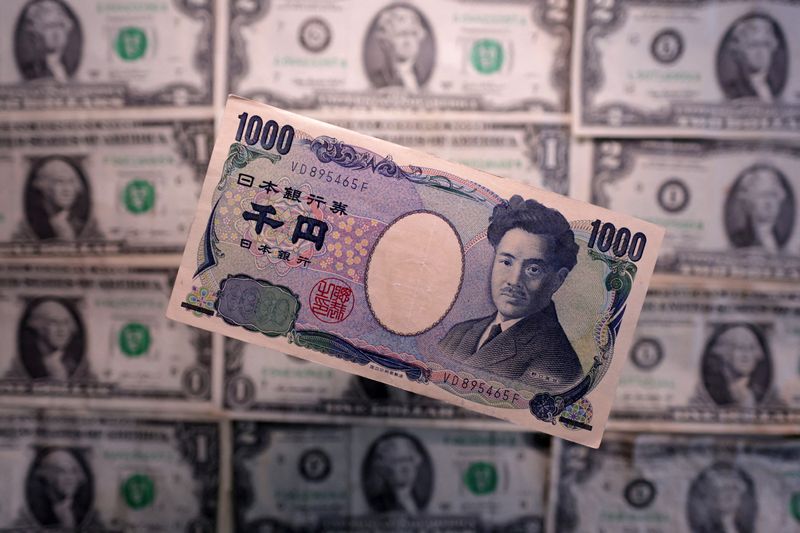
The Japanese yen is hovering near its lowest point against the U.S. dollar, a level that has previously prompted intervention by Japanese authorities. This comes as traders are closely monitoring the situation in Iran, where renewed hostilities could impact global economic stability.
Impact of Iran Conflict on Global Markets
As tensions in Iran escalate, the U.S. dollar has maintained its position as a safe-haven currency. Recent U.S. military actions in the region have dampened hopes for a quick resolution to the conflict, which could affect the critical Strait of Hormuz shipping channel. U.S. Secretary of State Marco Rubio indicated that negotiations to halt the conflict might take several days.
Meanwhile, the Australian dollar is experiencing fluctuations ahead of upcoming consumer price data, which could influence interest rate decisions. Similarly, the New Zealand dollar has stabilized after a recent decline, with the Reserve Bank expected to hold rates steady in the near term.
Japanese Economic Outlook
Bank of Japan Governor Kazuo Ueda has expressed concerns about the potential for a prolonged oil shock due to the conflict, which could exacerbate inflationary pressures in Japan. Market analysts are anticipating a possible interest rate hike at the Bank of Japan’s next policy meeting in mid-June, with a 70% probability of a quarter-point increase.
Despite the possibility of intervention to support the yen, Japan’s significant exposure to the energy crisis continues to weigh on the currency. Upcoming consumer price data in Tokyo will be closely watched as it could influence future monetary policy decisions.
In the broader currency market, the dollar index, which measures the U.S. dollar against other major currencies, remained relatively stable, while the euro and the Australian dollar saw minor changes.
Original reporting: Appleton, WI News Feed (HLL/CB) — read the source article.