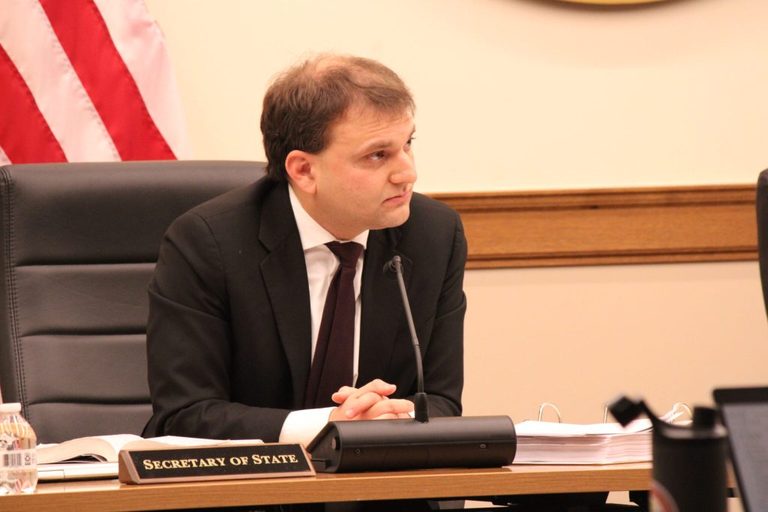
A coalition opposing Wyoming’s lone November ballot initiative is demanding records from Secretary of State Chuck Gray, alleging the certified ballot language hides the true cost of the proposed homeowner property tax exemptions. Gray says the coalition has it wrong.
Background
Attorney Elizabeth Lance of Lance & Hall LLP sent Gray a June 23 letter on behalf of the Vote NO on Initiative #1 coalition, citing the Wyoming Public Records Act and requesting communications between the Secretary of State’s office and other state agencies over how the ballot language and its fiscal impact estimate were drafted.
Cory Cronin, executive director of Wyoming Voter Network, stated that there is confusion on their side as to what the actual impact would be. The estimate has shifted from a $137 million revenue loss to the state in 2026 and $142 million in 2027, projected in October 2023, to $92.6 million in fiscal year 2028 and $95.9 million in fiscal year 2029 in the language now certified for the ballot.
Gray rejected the letter’s claims outright, stating that state law requires the fiscal impact estimate to be finalized before petition circulation begins, per Wyoming statute 22-24-309. He also said Wyoming law limits the estimate to impacts on the state only, not on counties or other local governments, and that the figure was prepared in consultation with the Wyoming Attorney General’s Office.
Concerns
Hank Hoversland, executive director of the Wyoming Taxpayers Association, said the initiative’s backers first tried to qualify it for the 2024 ballot in 2023, before the petition fell short on signatures. He also said the Department of Revenue, which supplied the original figures, has had no contact with Gray’s office since 2023 and does not know where the newer, lower estimate came from.
Hoversland said the ballot language is also missing something Wyoming legislators typically see on similar bills: a note on the spending side. Roughly two-thirds of Wyoming property tax revenue funds education, and residential property taxes make up only about 30% of the state’s total property tax collections, with mineral production covering nearly half.
Original reporting: Oil City News (Casper WY) — read the source article.